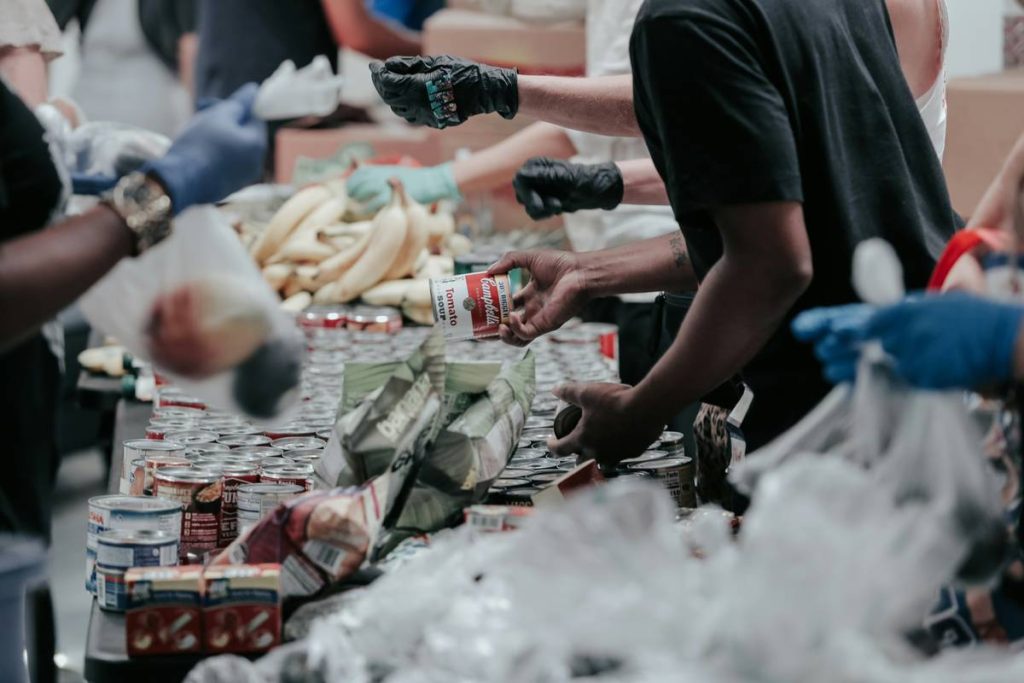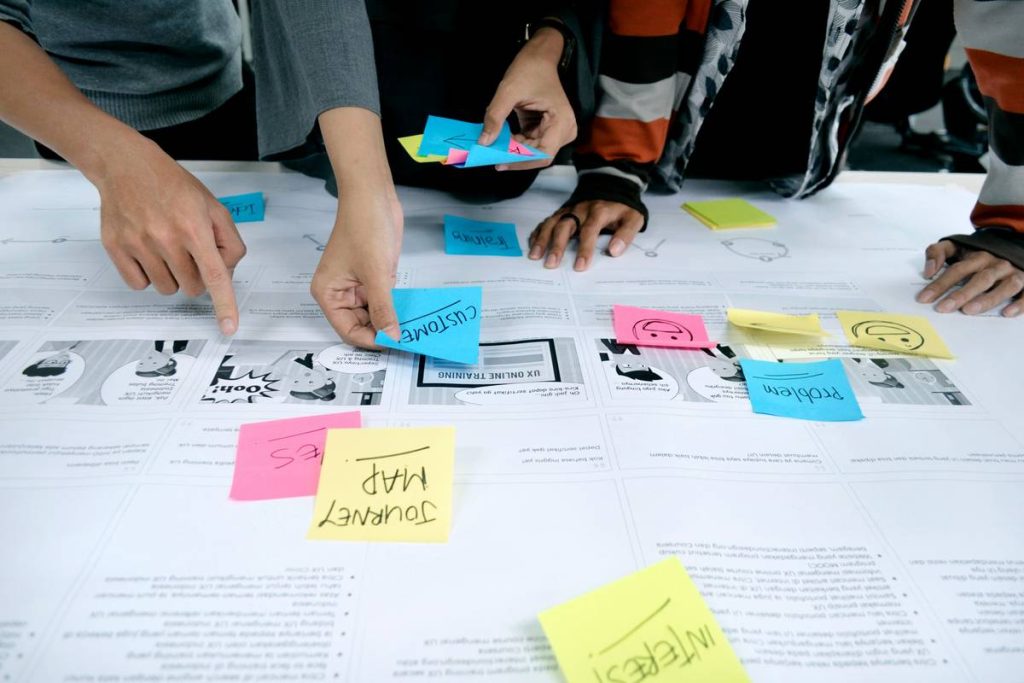
Most campaigns fail before they even begin—not from lack of funds, but from mistaking mobilization for movement. They blast messages into the void and call it “engagement.” But real change? That starts when ordinary people—teachers, truck drivers, students—own the mission. Grassroots advocacy campaigns mean more than flyers and phone banks. They’re human infrastructure, built block by block.
Why Top-Down Campaigns Keep Collapsing
Political marketers love scale. Big budgets. Celebrity endorsements. Viral hashtags. But none of that sticks if there’s no local soil to grow in. And that’s the fatal flaw: treating voters like data points instead of neighbors.
Here’s the reality: algorithms can’t replicate trust. A text message from a stranger won’t move someone to knock on doors at 7 a.m. during a snowstorm. But their barber might. Or their PTA president. Or their cousin who just got evicted.
Traditional campaign playbooks ignore this. They optimize for reach, not relationships. And when election day rolls around—crickets.
Building a Real Grassroots Advocacy Campaign: Step by Step
Identify Organic Community Hubs (Not Just “Target Demographics”)
Forget ZIP codes for a second. Look for where people already gather—church potlucks, union halls, food co-ops, even Discord servers for local gamers. These are trust nodes. Tap them ethically. Don’t extract—contribute.
Recruit Local Storytellers, Not Just Volunteers
People don’t share policy memos. They share pain. Pride. Possibility. Find the natural narrators in each neighborhood—the ones who already hold court at bus stops or school pick-up lines. Equip them with talking points that feel like truth, not scripts.
Use Micro-Actions to Fuel Macro-Momentum
A handwritten note beats a mass email. A shared meal beats a rally. Design actions so small they’re almost frictionless—but so personal they create ripple effects. One conversation becomes ten. Ten become a bloc.
| Tactic | Cost (Per 1,000 People) | Trust Impact | Scalability |
|---|---|---|---|
| Door-to-door canvassing (trained locals) | $800–$1,200 | Very High | Moderate |
| Social media ads (broad targeting) | $2,500–$4,000 | Low | High |
| Community listening circles | $300–$600 | Extremely High | Low (but deep) |
| Text banking (outsourced) | $1,000–$1,800 | Medium-Low | High |
The Industry Secret: Your Best Organizers Are Already Working Against You
Here’s what no one admits: opposition groups often run better grassroots operations—because they’re fueled by genuine outrage, not consultant KPIs. But that’s your advantage. Anger fades. Hope, properly nurtured, compounds.
I ran a county-level campaign last cycle where we didn’t recruit “supporters.” We invited skeptics to design the platform. One woman—a lifelong conservative—ended up training our volunteer team after we co-hosted a renter’s rights forum in her trailer park. She didn’t switch parties. She switched focus—from ideology to impact.
That’s the alchemy: stop asking people to believe in your cause. Help them build their own.

Frequently Asked Questions
What does ‘grassroots advocacy campaigns mean’ in simple terms?
It means regular people—not paid staff or politicians—leading efforts to influence policy or public opinion through local, trusted networks.
How is grassroots different from astroturfing?
Grassroots grows from authentic community action. Astroturfing is fake grassroots—corporate or political actors pretending to be organic movements.
Can small teams run effective grassroots campaigns?
Absolutely. In fact, lean teams often outperform bloated ones because they prioritize depth over breadth—real conversations over vanity metrics.