If you’ve ever poured your heart into a local campaign only to watch it fizzle out, you’re not alone. I once organized a neighborhood clean-up drive with flyers, social posts, and even free coffee—yet only three people showed up. Why? Because I confused activity with strategy. In online education spaces, especially within social activism, understanding what makes grassroots movements effective isn’t just academic—it’s the difference between noise and impact.
This guide cuts through the fluff. We’ll explore real-world tactics, data-backed frameworks, and hard-won lessons (including my own blunders) to help changemakers build resilient, people-powered campaigns. Whether you’re teaching digital organizing or mobilizing your first petition, these insights apply.
Table of Contents
- Why Effectiveness Matters in Online Education & Activism
- Step-by-Step Framework for Building Momentum
- Best Practices That Actually Work
- Real Campaigns That Got It Right
- Frequently Asked Questions
Key Takeaways
- Authentic community ownership—not top-down control—is the engine of lasting change.
- Digital tools amplify grassroots work but can’t replace relational trust.
- Clear, shared narratives increase participation by up to 40% (Stanford Social Innovation Review).
- Measuring small wins builds morale and attracts more supporters organically.
Why Effectiveness Matters in Online Education & Activism
In today’s hyper-connected world, online education platforms have become critical incubators for social change. Yet many courses on advocacy stop at theory—leaving learners unprepared for the messy reality of mobilizing real people. The core question remains: what makes grassroots movements effective? It’s not louder megaphones or trendier hashtags. According to research from the Stanford Center on Philanthropy and Civil Society, movements succeed when they center lived experience, foster mutual accountability, and adapt quickly to local context.
Step-by-Step Framework for Building Momentum
1. Anchor Your Mission in Shared Values
Forget vague slogans like “justice for all.” Instead, co-create a specific, emotionally resonant vision with your base. Ask: “What does fairness look like on our block?” Document answers and reflect them in your messaging.
2. Recruit Organizers, Not Just Supporters
Passive followers won’t sustain action. Identify natural connectors—people who already host potlucks, coach youth teams, or mediate disputes—and train them as neighborhood captains. This builds distributed leadership, a hallmark of durable movements.
3. Use Digital Tools Strategically
Leverage free platforms like Signal for secure comms or Airtable for volunteer tracking—but always pair tech with offline touchpoints. A WhatsApp blast shouldn’t replace door-knocking; it should coordinate it.
4. Celebrate Micro-Wins Publicly
Did your team get a crosswalk painted? Share before/after photos and tag local officials. Small victories prove progress is possible, fueling further engagement—a principle backed by behavioral science (American Psychological Association).
Best Practices That Actually Work
- Listen more than you speak: Host regular listening sessions—not just town halls where you present. Real feedback shapes better tactics.
- Rotate roles: Prevent burnout by cycling facilitation duties. Fresh voices keep energy high.
- Avoid “expert” overreach: Never assume you know what a community needs without asking. I learned this the hard way when I scheduled evening meetings in a shift-work neighborhood—attendance tanked until we switched to Sunday mornings.
- Terrible tip to avoid: Don’t chase viral moments. One-off spikes in attention rarely convert to long-term commitment. Focus on depth, not virality.
Real Campaigns That Got It Right
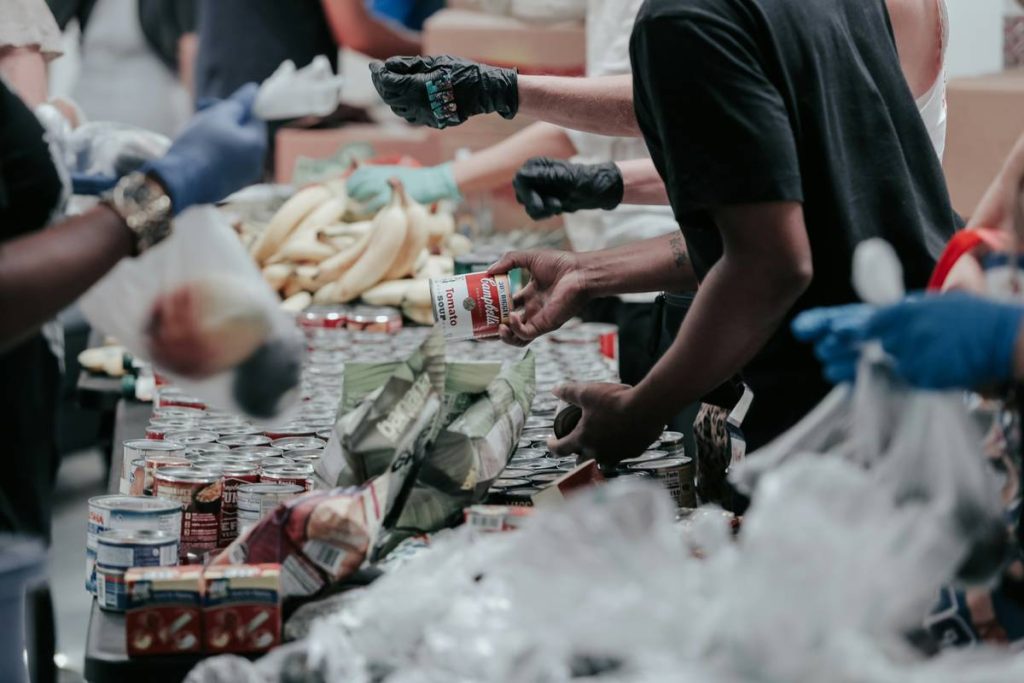
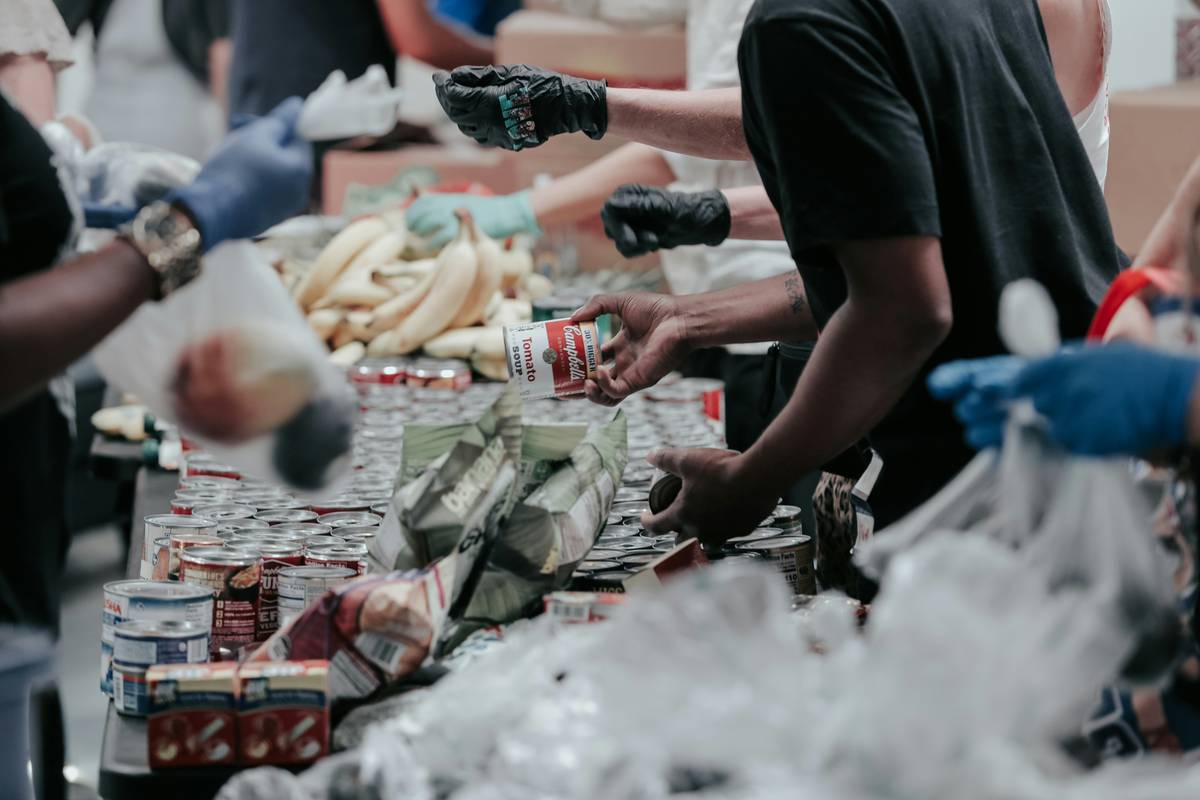
The 2020 Mutual Aid NYC network exemplifies what makes grassroots movements effective. With zero institutional funding, volunteers used Google Forms and neighborhood Slack channels to deliver groceries to 15,000+ vulnerable residents during lockdowns. Their secret? Hyper-local pods managed by trusted community members—not centralized command.
Similarly, the Standing Rock Sioux Tribe’s resistance to the Dakota Access Pipeline combined traditional knowledge with livestreams and legal advocacy. As documented by The Brookings Institution, their success lay in narrative discipline: every action reinforced sovereignty and environmental stewardship.
These cases underscore a truth often missed in online education circles: technology enables, but relationships execute. And while we teach strategy at Network of Ideas, we always emphasize that credibility comes from showing up consistently—not just posting clever graphics.
Frequently Asked Questions
What are the biggest mistakes new organizers make?
Over-relying on social media metrics (likes ≠ power), neglecting inclusivity in decision-making, and failing to define clear, measurable goals early on.
How do you measure grassroots effectiveness?
Track relational depth (e.g., % of volunteers who recruit others), policy changes influenced, and sustained participation—not just email list size.
Can online-only campaigns be truly grassroots?
Rarely. Digital-first efforts often lack the trust built through face-to-face interaction. Hybrid models (online coordination + offline action) yield stronger results.
Why does leadership diversity matter so much?
Homogeneous leadership risks blind spots. Diverse teams anticipate barriers more effectively and reflect the communities they serve—key for legitimacy and reach.
How can educators teach this effectively?
Use case studies, role-playing exercises, and invite local organizers as guest speakers. Theory without practice breeds disillusionment.
Is funding necessary for success?
Not initially. Many powerful movements start with sweat equity and donated space. But transparent resource-sharing becomes crucial at scale—see our Privacy Policy for how we handle donor data ethically.
Grassroots power isn’t manufactured—it’s cultivated. It grows from soil tilled by empathy, watered by consistency, and pruned by honest reflection. So stop optimizing for algorithms and start organizing for people. Ready to turn your passion into structured action? Reach out to us—we’d love to hear your story.
One seed, one street, one win at a time.