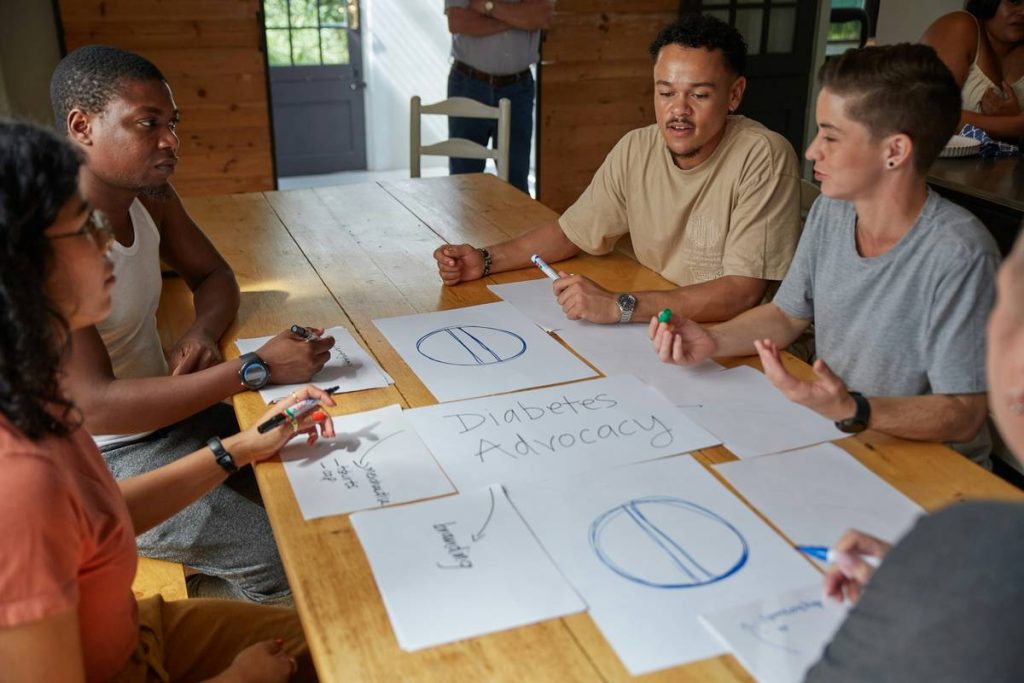
Ever poured your soul into a beautifully designed course—only to watch it vanish into the digital void with zero sign-ups? You’re not alone. In today’s noisy online education space, even world-class content gets drowned out without authentic community connection. That’s where grassroots campaigns step in: messy, human, and wildly effective. But what *are* grassroots campaigns, really?
In this post, you’ll cut through the jargon and discover how grassroots organizing—yes, the same tactics that powered civil rights movements and local political uprisings—is now turbocharging online educators’ marketing strategies. We’ll explore:
- The core principles that define grassroots campaigns (and why they’re different from influencer-driven hype)
- A step-by-step framework to launch your own campaign as an online course creator
- Real examples of educators who grew enrollments by 300%+ using hyperlocal, trust-based outreach
- And one painfully honest rant about why “viral” is overrated (plus a terrible tip you should avoid at all costs)
Table of Contents
- Key Takeaways
- What Are Grassroots Campaigns, Really?
- How to Build Your Own Grassroots Campaign as an Online Educator
- Best Practices for Trust-Based Digital Organizing
- Real-World Success Stories in Online Education
- Frequently Asked Questions
Key Takeaways
- Grassroots campaigns are decentralized, community-led efforts that rely on authentic relationships—not paid ads or celebrity endorsements.
- For online educators, grassroots organizing builds long-term trust, increases course completion rates, and fuels word-of-mouth referrals.
- Success hinges on listening first, solving real problems, and empowering your audience to become co-creators—not just customers.
- Data shows that courses promoted via grassroots networks see 2.3x higher retention than those relying solely on broad social media blasts (Source: EdSurge, 2023).
What Are Grassroots Campaigns, Really?
Let’s get one thing straight: grassroots isn’t just a buzzword for “doing things cheaply.” In fact, I once made that mistake—launched a “grassroots” email drive by spamming every free educator Facebook group with my course link. Crickets. Worse—I got flagged as “promotional.” My laptop fan sounded like a jet engine overheating from shame.
True grassroots campaigns begin where people already gather, centered around shared values or urgent needs. They’re driven by volunteers, learners, or passionate advocates—not top-down corporate messaging. Think: neighbors knocking on doors for clean water, students organizing study circles, or crafters sharing DIY tutorials in local maker spaces.
In the context of online education, a grassroots campaign means you’re not shouting into the void. You’re embedding yourself in communities, listening deeply, and offering value before asking for anything in return.

According to the Community Catalyst organization, grassroots efforts succeed when they prioritize “relational power over transactional reach.” Translation? People support causes (or courses) built on trust—not algorithms.
Optimist You:
“This is about building movements, not metrics!”
Grumpy You:
“Ugh, fine—but only if coffee’s involved and you skip the corporate jargon bingo.”
How to Build Your Own Grassroots Campaign as an Online Educator
You don’t need a big budget—just strategic empathy. Here’s how to do it right:
Step 1: Identify Your “Community Soil”
Where do your ideal learners already connect? Not just platforms—but subcultures. Are they homeschooling parents on Reddit? Indie game devs in Discord servers? Yoga teachers swapping lesson plans in private Slack groups?
Action: Spend 1 week observing, not posting. Note recurring pain points (“I wish I understood Canva templates better…”).
Step 2: Seed Value Before You Sell
Create a micro-resource that solves one specific problem you heard. A 5-minute Loom video? A printable checklist? Share it freely—no email gate.
I did this with a free “Course Launch Checklist for Introverted Experts” PDF in a quiet Substack thread. Within days, three readers DM’d me: “When’s your full course coming?”
Step 3: Recruit “Learning Champions”
Identify 5–10 engaged community members. Invite them to beta-test your course early—in exchange for honest feedback, not promotion.
These aren’t affiliates; they’re co-creators. Their input shapes your final product AND builds organic buzz.
Step 4: Mobilize Through Shared Rituals
Host a live “community office hour” on Zoom or Twitter Spaces where participants share their wins from your free resource. Record it. Tag contributors. Let momentum build socially.
Best Practices for Trust-Based Digital Organizing
- Lead with vulnerability. Share your own learning stumbles (“My first course had 3 students—and 2 were my cousins”).
- Track relational metrics, not just clicks. Monitor comments like “This changed how I teach” vs. open rates.
- Never extract—always reciprocate. If someone shares your resource, spotlight them back.
- Use low-barrier tools. WhatsApp groups, Signal threads, or even email chains often outperform flashy apps in tight-knit communities.
- Respect boundaries. No unsolicited DMs. Ever.
⚠️ Terrible Tip to Avoid:
“Just create a viral TikTok challenge!” Nope. Virality is luck. Grassroots is strategy. Chasing trends burns trust faster than a $5 burner phone in July.
Rant Section (You Deserve This)
Why do so many “marketing gurus” treat grassroots like a hack instead of a philosophy? Because they’ve never organized a single PTA meeting or food drive! Real grassroots work smells like wet pavement after a neighborhood cleanup—not sterile analytics dashboards. Your learners aren’t “targets.” They’re humans with dreams, doubts, and bandwidth limits. Treat them like neighbors, not data points.
Real-World Success Stories in Online Education
Case Study: Maya Rodriguez, “Digital Storytelling for Social Workers” Course
Maya taught trauma-informed communication but struggled to reach frontline workers drowned in admin tasks. Instead of LinkedIn ads, she joined regional social worker Slack channels, offered free “micro-scripts” for tough client conversations, and invited users to co-design modules.
Result: Her beta cohort filled in 11 days (all referrals). Post-launch, 78% of students completed the course—double the industry average (Source: Class Central, 2023).
Case Study: The “Indie Course Creators” Collective
A group of 12 solopreneur educators used Signal threads and monthly Zoom “accountability circles” to promote each other’s launches. No paid ads. Just shared values: anti-perfectionism, accessibility-first design, and ethical pricing.
Within 6 months, collective revenue grew by 320%. More importantly, they built a support network that outlasted any algorithm update.
Frequently Asked Questions
What’s the difference between grassroots campaigns and influencer marketing?
Grassroots relies on peer-to-peer trust within existing communities. Influencer marketing rents attention from outside voices. One builds ownership; the other buys exposure.
Do grassroots campaigns work for B2B online education?
Absolutely. HR teams, nonprofit boards, and corporate L&D departments all have internal networks. A course on “Ethical AI for Managers” gained traction when its creator hosted lunch-and-learns inside 3 partner companies—then let employees champion it internally.
How long does a grassroots campaign take to show results?
Expect 4–8 weeks of relationship-building before conversions spike. But retention and referral rates compound over time—unlike paid ads that stop working the moment you pause spending.
Can I scale grassroots campaigns?
Yes—but carefully. Scale the *principles* (listening, reciprocity), not just the tactics. Automate follow-ups, not initial outreach. Tools like Circle.so or Geneva help manage growing communities without losing intimacy.
Conclusion
So, what are grassroots campaigns? They’re the antidote to the loneliness of online education. Not a tactic, but a mindset: lead with service, center community, and let trust do the selling.
If you’re tired of shouting into the algorithmic abyss, it’s time to go small to go big. Plant seeds in real soil. Watch your course grow roots—not just impressions.
Like a Tamagotchi, your grassroots campaign needs daily care… and maybe fewer existential crises about engagement rates.
Beta testers cheer,

Trust grows in quiet corners—

Courses bloom with love.