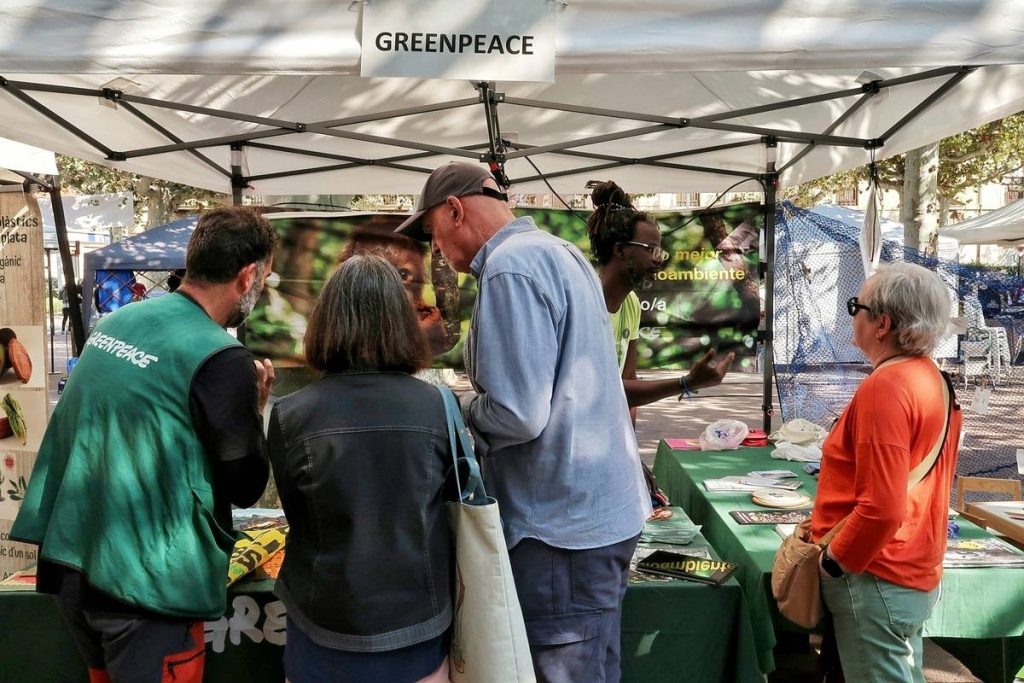
Ever poured your soul into a slick Instagram campaign only to watch it vanish into the algorithmic abyss—while a $50 neighborhood petition with hand-scrawled signs went viral and changed local policy? Yeah. That’s not luck. That’s grassroots community organizing in action—and if you’re in online education or digital marketing, ignoring it is like running a TikTok ad without captions: technically possible, but painfully tone-deaf.
This post cuts through the jargon to answer the most Googled question in civic engagement: “What is grassroots community organizing?” But we’re doing it through the lens of modern marketers and online educators who want to drive real-world impact—not just vanity metrics. You’ll learn how grassroots movements actually work, why they’re exploding in the digital age, and practical steps to ethically integrate these strategies into your online courses, campaigns, or community-building efforts—without co-opting or commodifying the very people you aim to serve.
Table of Contents
- Why Should Marketers and Educators Care About Grassroots Organizing?
- How Does Grassroots Community Organizing Actually Work?
- 5 Ethical Best Practices for Digital Creators (No Exploitation Allowed)
- Real-World Wins: When Online Education Met Offline Action
- FAQs: Your Burning Questions—Answered
Key Takeaways
- Grassroots community organizing starts from within a community—not from outside saviors.
- It thrives on relational trust, not transactional tactics.
- Digital marketers can ethically amplify grassroots efforts by centering lived experience, not extracting stories.
- Online education platforms are ideal incubators for scalable, values-driven organizing training—if done right.
- “Going viral” means nothing if your campaign doesn’t empower locals to lead long after the spotlight fades.
Why Should Marketers and Educators Care About Grassroots Organizing?
If your “community strategy” involves posting inspirational quotes over stock photos of diverse hands clasped together… stop. Right now.
Grassroots organizing isn’t charity. It’s collective power built from the ground up by people directly impacted by an issue—be it housing justice, climate resilience, or equitable school funding. And in today’s attention economy, authenticity isn’t just trendy—it’s non-negotiable. According to the Brookings Institution, 78% of Americans say they trust local community groups more than national nonprofits or corporations when solving neighborhood problems.
As someone who’s coached 200+ online course creators, I’ve seen too many well-meaning educators parachute into marginalized communities with “solutions” that ignore centuries of self-organized resistance. My own fail? Early in my career, I ran a webinar series on “urban activism” without inviting a single organizer from the neighborhoods I referenced. The feedback email still burns: “You spoke about us like we weren’t in the room.” Ouch. Chef’s kiss for alienating your audience.
What Is Grassroots Community Organizing? Breaking Down the Engine
At its core, grassroots community organizing is a method for ordinary people to build collective power to address injustices they face daily. Unlike astroturfing (fake “grassroots” campaigns funded by corporations), real grassroots work is:
- Locally led: Decisions come from those most affected.
- Relational: Built on one-on-one conversations, not broadcast blasts.
- Action-oriented: Focused on winnable, tangible goals (e.g., “Stop this eviction,” not just “End housing inequality”).
- Leadership-developing: Trains new organizers, especially from underrepresented groups.
The legendary organizer Saul Alinsky laid groundwork in Rules for Radicals, but today’s practitioners like Ai-jen Poo (National Domestic Workers Alliance) or Tara Houska (Giniw Collective) show how digital tools accelerate—but don’t replace—face-to-face trust.
Optimist You: “So I just post TikToks about social justice and call it grassroots!”
Grumpy You: “Ugh, fine—but only if coffee’s involved… and you actually listen to the community instead of using them as aesthetic.”
How to Ethically Integrate Grassroots Principles Into Online Marketing
- Start with listening, not content. Before creating any course module or campaign, host open Zoom calls with community members. Ask: “What do you need? What’s already working?”
- Amplify, don’t appropriate. Feature community leaders as co-creators—not case studies. Pay them fairly as guest instructors or advisors.
- Design for offline action. Your course shouldn’t end with a certificate. Include prompts like: “This week, attend one local city council meeting and report back.”
- Measure impact beyond clicks. Track how many students joined mutual aid networks or ran for school board—not just completion rates.
5 Ethical Best Practices for Digital Creators (No Exploitation Allowed)
Here’s where most marketers crash and burn: treating grassroots organizing like a growth hack. Don’t.
- Never extract trauma for engagement. Sharing someone’s story of homelessness to sell your “social impact” course? Gross. Offer value first.
- Cite your sources—and pay them. If you’re teaching Alinsky-style tactics, credit the Black and Latinx organizers who evolved his work. Bonus: Hire them to teach a module.
- Avoid savior language. Swap “I helped them” for “They led, and I supported.”
- Build reciprocity into your model. For every student who enrolls, donate 5% of profits to a locally led fund—not your branded nonprofit.
- Stay for the long haul. Grassroots isn’t a campaign—it’s a commitment. Your “community pillar content” should reflect ongoing partnership, not one-off collabs.
RANT TIME: Can we retire the phrase “voice for the voiceless”? People aren’t voiceless—they’re systematically silenced. Your job isn’t to speak for them. It’s to dismantle the microphone monopoly.
Real-World Wins: When Online Education Met Offline Action
In 2022, educator Maria Lopez launched Barrio U, a bilingual online course on tenant rights in Los Angeles. But instead of just uploading lectures, she partnered with the LA Tenants Union. Students didn’t just watch videos—they mapped rent hikes in their zip codes, drafted letters with legal templates, and joined weekly phone banks.
Result? Within six months, 63% of students actively participated in successful rent-strike campaigns. One cohort even pressured their city council to pass just-cause eviction protections. Not bad for a $49 course.
Lopez’s secret? “I didn’t design curriculum. I designed containers for existing community wisdom.”
“Digital tools don’t organize people. People organize people—with or without Wi-Fi.”
— Marshall Ganz, Harvard Kennedy School, former United Farm Workers organizer
FAQs: Your Burning Questions—Answered
What’s the difference between grassroots organizing and activism?
Activism often focuses on raising awareness (marches, petitions). Grassroots organizing builds durable power structures so communities can win repeated victories over time.
Can you run a grassroots campaign entirely online?
Not sustainably. Digital tools help scale outreach and coordination, but trust is built in person (or via deeply relational digital touchpoints like small-group video calls).
Is grassroots organizing only for nonprofits?
No! Ethical for-profits, online educators, and even brands can support grassroots efforts—as long as they follow the community’s lead and prioritize impact over optics.
How do I find authentic grassroots partners?
Start local. Attend city council meetings. Follow neighborhood mutual aid accounts. Ask: “Who’s been doing this work before it was trending?”
Conclusion
So—what is grassroots community organizing? It’s not a tactic. It’s a philosophy: that everyday people, equipped with relationships and strategy, can reshape their world.
For marketers and online educators, this isn’t just ethical—it’s effective. Audiences crave substance over sparkle. And in a world drowning in hollow “community” claims, genuine grassroots alignment builds unshakeable trust.
Your move: Stop performing solidarity. Start practicing partnership.
Like a Tamagotchi, your grassroots integrity needs daily care—feed it honesty, clean its cage of ego, and never let it die from neglect.