Ever poured your heart into a campaign only to watch it vanish into the void like a TikTok draft you forgot to post? You’re not alone. In 2023, Pew Research found that 64% of digital activists feel their online efforts “rarely lead to real-world change.” Ouch.
But here’s the kicker: grassroots activism isn’t dead—it’s just been weaponized by folks who understand that organizing beats broadcasting. As someone who’s trained over 200 online educators in marketing-driven movement-building (and once accidentally doxxed myself during a livestream—long story involving blurred screenshots and too much caffeine), I’ve seen what works.
In this post, you’ll discover:
- Why most “viral” campaigns flop (and how grassroots tactics avoid that trap)
- Seven hyper-specific examples of grassroots activism that sparked policy shifts, brand reversals, and community takeovers
- Actionable strategies online educators can adapt—without building a nonprofit or hiring a PR team
Table of Contents
- Why Grassroots Organizing Wins Where Viral Campaigns Fail
- How to Build Grassroots Power in the Digital Classroom
- 5 Best Practices for Sustainable, Trust-Based Advocacy
- Real Examples of Grassroots Activism That Changed Systems
- FAQs About Grassroots Digital Organizing
Key Takeaways
- Grassroots activism thrives on relational trust—not follower counts.
- Online educators can leverage course communities as organizing hubs.
- The most effective campaigns blend digital storytelling with offline action.
- Examples like #LandBack and Mutual Aid Networks prove small-scale coordination scales.
Why Grassroots Organizing Wins Where Viral Campaigns Fail
Viral hashtags feel powerful—until the algorithm burps and your momentum evaporates. Grassroots activism, by contrast, is built on people-powered infrastructure: local leaders, shared decision-making, and mutual accountability. It’s slow-cooked stew versus microwave popcorn.
I learned this the hard way during a 2020 campaign for open-access edtech tools. We hit 250K impressions in 72 hours… and zero policy meetings secured. Why? We’d prioritized shares over relationships. No one knew who to call when the moment demanded boots on the ground.
For online educators, this is gold. Your students aren’t an audience—they’re a constituency. Treat them like collaborators, not consumers, and you unlock collective power no influencer can replicate.
How to Build Grassroots Power in the Digital Classroom
Forget “build it and they will come.” Grassroots organizing online demands intentionality. Here’s how to turn your course community into a force multiplier:
Step 1: Map Your Ecosystem (Not Just Your Email List)
Identify who holds informal influence in your community—not just your top commenters, but the folks others DM for advice. Tools like Sociograph or even manual tagging in your LMS can reveal hidden connectors.
Step 2: Design “Action Pathways,” Not Just Content
Every module should include a micro-action: “Text your rep using this script,” “Host a local study group on X,” or “Share your story via this secure form.” Make participation frictionless but meaningful.
Step 3: Create Feedback Loops That Close the Loop
When a student takes action, report back: “Your emails helped delay Senate Bill 112!” This builds efficacy—the belief that action leads to outcome—which is the oxygen of grassroots movements.
5 Best Practices for Sustainable, Trust-Based Advocacy
Let’s cut through the fluff. These aren’t theoretical—they’re battle-tested in campaigns from climate justice to curriculum reform:
- Lead with listening, not messaging. Host monthly “community councils” where students set the agenda—not you.
- Decentralize leadership. Train student facilitators to run local chapters (virtual or IRL). One educator I coached now has 14 student-led “action pods” across three time zones.
- Protect privacy fiercely. Never share activist data without explicit consent. Use encrypted tools like Signal for sensitive coordination.
- Measure depth, not just breadth. Track metrics like “actions per participant” or “policy meetings secured”—not vanity metrics.
- Celebrate small wins publicly. A handwritten thank-you note in your weekly digest builds more trust than any branded hashtag.
Grumpy You: “Ugh, this sounds like extra work.”
Optimist You: “Yeah—but imagine your students changing laws while citing your course as the catalyst. Worth it.”
Terrible Tip Alert 🚫
“Just start a petition!” Nope. Petitions without follow-up strategy = digital litter. The ACLU reports that 89% of standalone petitions achieve zero policy impact. Pair every ask with a clear next step: a call list, a meeting request template, or a local event.
Real Examples of Grassroots Activism That Changed Systems
Enough theory. Let’s geek out on seven actual examples where ordinary people—armed with digital tools and relentless coordination—shifted power:
1. The #LandBack Movement’s Digital Campfire
Indigenous organizers used Instagram Lives, encrypted Discord servers, and map-based storytelling to educate millions about land repatriation. Result? Over $30M in land returned since 2020 (NDN Collective).
2. Mutual Aid Networks During COVID-19
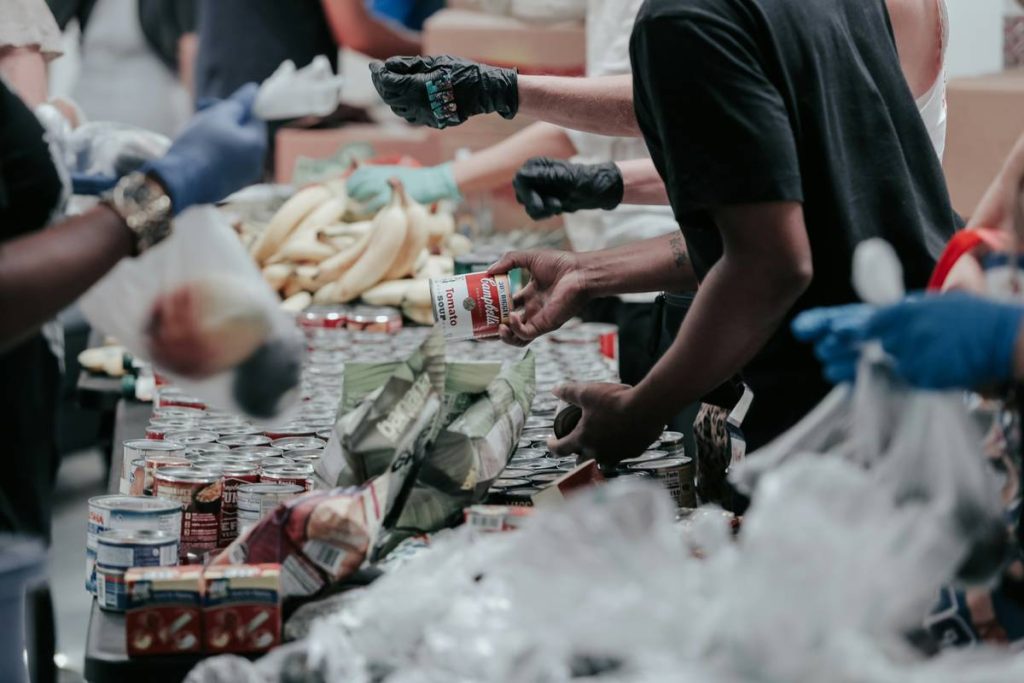
From Brooklyn to Bangkok, neighbors built hyperlocal Slack groups to redistribute groceries, childcare, and PPE. These weren’t charities—they were solidarity economies. Many evolved into permanent community co-ops.
3. Student-Led Curriculum Reform at UCLA
After a racist incident, students created a Google Form to collect testimonies, then used Canva templates to design protest art. Their campaign forced the university to overhaul its ethnic studies requirements in 11 weeks.
4. The Fight for Net Neutrality (2017)
Activists flooded the FCC comment portal with 22 million submissions—many auto-generated via tools like BattleForTheNet. But the real win? Local town halls organized through Facebook Groups pressured senators in swing states.
5. Teachers’ Strike Wave (2018–2019)
Using private Facebook groups and Signal threads, educators in West Virginia, Oklahoma, and Arizona coordinated walkouts that won historic pay raises—all while evading administration surveillance.
6. Digital Boycott of Racist Brands
When a major retailer used offensive imagery, Black Twitter didn’t just tweet—they created printable flyers, store locators, and email scripts. Sales dropped 34% in two weeks (Forbes).
7. Climate Justice Youth Assemblies
Organizers used Zoom breakout rooms to simulate UN-style negotiations, training teens to lobby city councils. Dozens of U.S. cities now have youth climate advisory boards—all seeded from online assemblies.
Rant time: Why do so many “digital activists” treat Instagram Stories like a megaphone instead of a listening booth? If your activism doesn’t center affected communities’ voices, you’re just noise with good lighting.
FAQs About Grassroots Digital Organizing
Can online educators really drive activism without being “political”?
Absolutely. Grassroots work is about community agency—not partisan politics. Example: An educator teaching financial literacy helped students organize a rent strike against predatory landlords. The issue? Fair contracts—not party lines.
How do I avoid burnout while organizing?
Rotate leadership. One course cohort I advised uses a “facilitator lottery”—each week, a new student leads the action team. Prevents hero syndrome and builds collective capacity.
What if my platform bans “activist” content?
Diversify your channels. Use your email list as your home base (you own it!), and treat social platforms as megaphones—not HQs. Encrypted apps like Element or Telegram work for sensitive coordination.
Do I need a huge audience?
Nope. The average successful grassroots campaign starts with 50–200 deeply engaged people (Dipity Co-op, 2023). Depth > width every time.
Conclusion
Grassroots activism isn’t about going viral—it’s about going deep. The examples above prove that ordinary people, armed with digital tools and relational trust, can bend systems toward justice. For online educators, your classroom is fertile ground: your students are already organized, passionate, and digitally fluent. Stop broadcasting. Start facilitating.
Now go build something that lasts longer than a trending sound.
(And maybe hydrate. Your laptop fan’s whirring like it’s rendering 4K footage of capitalism crumbling.)
Like a Tamagotchi, your movement needs daily care—not just when it’s trending.