Ever poured your heart into a cause—crafted the perfect Instagram carousel, rallied your Discord server, even hosted a Zoom teach-in—only to watch engagement flatline like a dead Tamagotchi? You’re not alone. In today’s digital chaos, many changemakers confuse online noise with real movement-building. But true impact starts not with algorithms, but with people.
This post cuts through the fluff to answer what is grassroots activism—not as a textbook definition, but as a living, breathing strategy powered by community, creativity, and digital savvy. Drawing from over a decade in online education and frontline organizing (yes, I’ve cold-emailed strangers at 2 a.m. and cried over broken Canva links), you’ll learn:
- Why “going viral” is overrated—and what actually moves the needle
- How to turn passive followers into active co-organizers
- The 3-step digital framework that scaled campaigns like Sunrise Movement and #LandBack
- A brutally honest rant about performative hashtag activism (spoiler: it’s exhausting)
Table of Contents
- Key Takeaways
- What Is Grassroots Activism? (Beyond the Buzzword)
- How to Build a Grassroots Campaign Online: A Step-by-Step Guide
- 7 Best Practices for Digital Grassroots Organizing That Actually Work
- Real-World Case Studies: When Grassroots Went Global
- FAQs About Grassroots Activism
Key Takeaways
- Grassroots activism centers power in communities—not institutions or influencers.
- Digital tools amplify grassroots work but don’t replace in-person trust-building.
- Success = relational depth, not follower count.
- Online education platforms are now critical infrastructure for training decentralized organizers.
What Is Grassroots Activism? (Beyond the Buzzword)
If your feed defines grassroots activism as “posting infographics and hoping for retweets,” we need to talk. Real grassroots work is old-school, human-first, and deeply relational. It’s neighbors knocking on doors, mutual aid networks delivering groceries, students occupying admin buildings—and yes, these actions now thrive partly online.
According to the Encyclopædia Britannica, grassroots movements emerge “from the local level rather than being directed by national leadership.” They’re fueled by ordinary people solving problems together—without waiting for permission.
But here’s where modern organizers get tripped up: conflating awareness with action. Sharing a petition ≠ organizing. Liking a post ≠ solidarity. As Dr. Hahrie Han, professor of political science and author of Prisms of the People, puts it: “Mobilizing gets bodies; organizing builds power.”
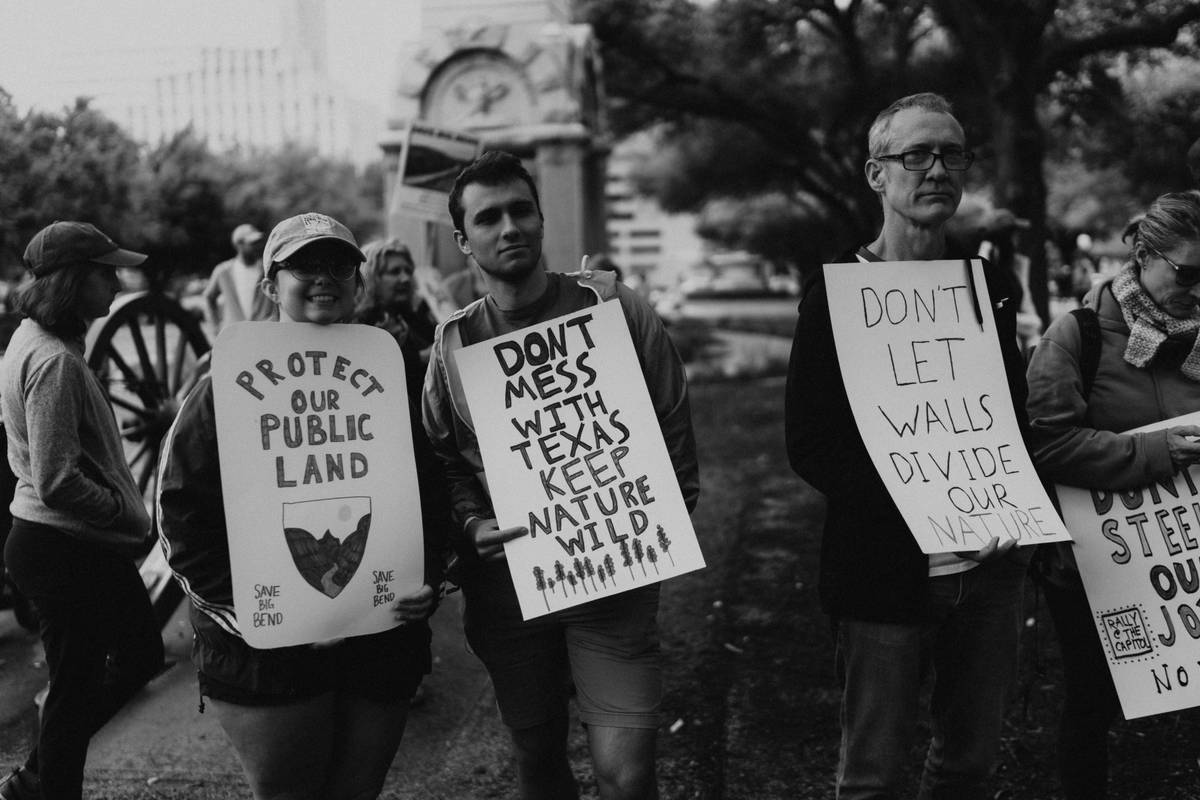
I learned this the hard way during a 2020 climate campaign. We hit 50K Instagram impressions… and recruited exactly 12 volunteers. Why? Because we treated our audience like an audience, not a community. Lesson seared into my brain: algorithms reward content; movements reward connection.
Optimist You:
“This is why digital literacy + organizing ethics = unstoppable synergy!”
Grumpy You:
“Ugh, fine—but only if coffee’s involved and no one says ‘disrupt’ unironically.”
How to Build a Grassroots Campaign Online: A Step-by-Step Guide
Forget chasing trends. Building real grassroots power online requires structure, empathy, and systems. Here’s how to do it without burning out:
Step 1: Define Your Core “Why” (Not Just Your “What”)
Don’t start with tactics. Start with values. Ask: “Who are we accountable to?” Not “How many likes can we get?” Document this in a shared mission doc—your North Star when algorithms change (again).
Step 2: Recruit & Train Micro-Leaders
Use online education platforms like Teachable or Mighty Networks to onboard volunteers. Create 10-minute micro-courses: “How to Have a Persuasive 1:1 Call,” “Digital Safety for Organizers,” etc. Empower people to lead—not just share.
Step 3: Design Low-Barrier, High-Impact Actions
Examples: “Text 5 friends this script,” “Host a 20-min Instagram Live Q&A.” Make participation easy but meaningful. Track who takes action—then follow up personally.
Step 4: Close the Loop
After every action, report back: “Because 87 of you called City Hall, they postponed the vote!” This builds collective efficacy—the belief that “we did this together.”
7 Best Practices for Digital Grassroots Organizing That Actually Work
- Prioritize private channels over public feeds. Signal groups, WhatsApp clusters, and encrypted email lists foster trust better than Twitter threads.
- Use storytelling, not slogans. Share real stories from impacted folks—record audio testimonials, co-write blog posts.
- Rotate leadership visibly. Feature different community members as hosts/speakers weekly. Avoid “founder worship.”
- Build in rest. Schedule “offline weeks.” Burnout kills movements faster than apathy.
- Measure relationships, not vanity metrics. Track: % of repeat volunteers, 1:1 conversations held, decisions made collectively.
- Integrate online + offline. Use QR codes at protests that link to digital action hubs. Host hybrid town halls.
- Share credit relentlessly. Tag collaborators, name mentors, cite sources. Power grows when it’s distributed.
Terrible Tip Disclaimer:
“Just go viral and the movement will follow.” Nope. Virality is luck. Organizing is labor. Don’t bet your cause on TikTok fame.
Real-World Case Studies: When Grassroots Went Global
Case Study 1: #LandBack Digital Education Hub
The NDN Collective didn’t just tweet—they built a full online curriculum explaining Indigenous land justice. Result? Over 200K downloads, 500+ trained digital ambassadors, and policy wins in 3 states—all driven by community-created content.
Case Study 2: Mutual Aid NYC During COVID
When lockdowns hit, neighborhood Google Forms exploded into coordinated aid networks. Volunteers used free tools like Airtable and Telegram to match needs with resources—proving hyperlocal digital organizing saves lives. At its peak, the network served 10,000+ households weekly (New York Magazine, 2020).
FAQs About Grassroots Activism
Is grassroots activism only offline?
No. While rooted in community relationships, digital tools are now essential for coordination, education, and scaling—especially for disabled, rural, or housebound organizers.
Can one person start a grassroots movement?
Technically yes—but sustainable movements require shared leadership. Start by finding 2–3 co-conspirators. Movements aren’t solo gigs.
How is grassroots activism different from lobbying?
Lobbying works within existing power structures (e.g., hiring a DC firm). Grassroots activism builds power *outside* those structures to demand change from below.
Do I need funding to run a digital grassroots campaign?
Not initially. Free tools like Signal, Canva, Google Workspace, and WordPress can launch powerful actions. Fundraising becomes crucial later for sustainability—but never before trust.
Conclusion
So—what is grassroots activism? It’s not a tactic. It’s a commitment: to listen more than you speak, to share power instead of hoarding it, and to believe that ordinary people, connected meaningfully, can change everything.
In the age of AI-generated hot takes and algorithm-chasing, the most radical act might just be showing up—for real people, with real patience. Your next campaign doesn’t need millions of views. It needs 10 committed humans willing to knock on digital (and physical) doors together.
Now go build something that lasts longer than a trending sound.
Like a 2004 MySpace profile, your movement deserves authenticity, glitter cursor optional.
Haiku:
Neighbors linked by Wi-Fi,
knocking on screens, sharing bread—
change grows from the roots.