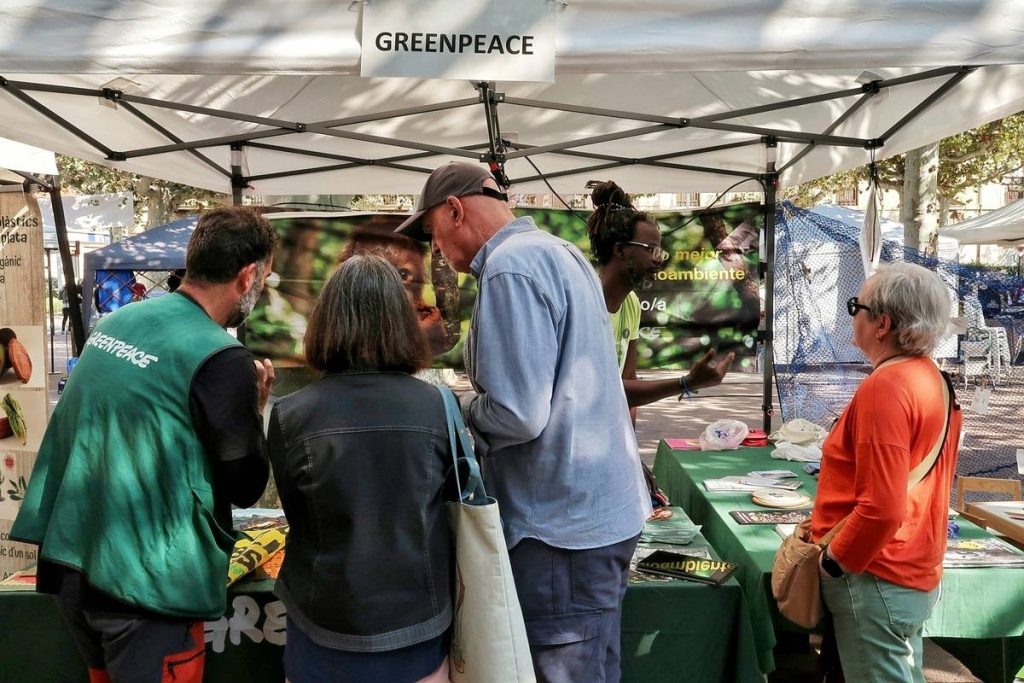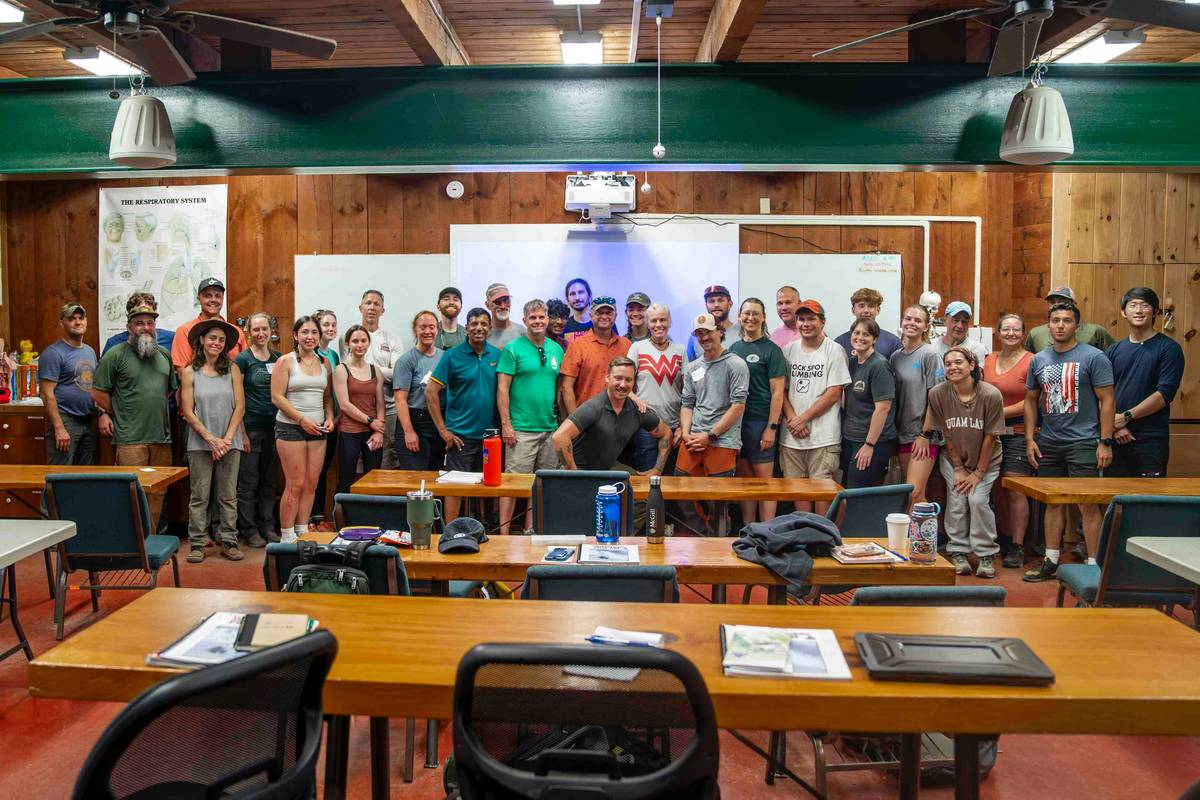
If you’ve ever poured your heart into mobilizing neighbors—only to watch turnout fizzle or momentum stall—you’re not alone. Grassroots movements thrive on passion, but without structured guidance, even the most well-intentioned efforts can collapse under poor planning, miscommunication, or burnout. That’s where community organizing training programs step in: they transform raw enthusiasm into sustainable, strategic action. In this guide, we’ll unpack why these programs matter more than ever in online education, share a hard-won lesson from my own blunder, and give you actionable steps to build real community power—without repeating the same old errors.
Table of Contents
- Why Community Organizing Training Programs Matter
- Step-by-Step Guide to Effective Grassroots Training
- Best Practices for Impactful Organizing
- Real-World Success Stories
- Frequently Asked Questions
Key Takeaways
- High-quality community organizing training programs bridge the gap between passion and strategy.
- Online formats increase accessibility—but only if they prioritize interaction over passive content.
- Avoid “spray-and-pray” outreach; relational organizing consistently outperforms mass messaging.
- Always center lived experience—training should empower local leaders, not replace them.
- Evaluate impact through participation depth, not just headcounts.
Why Community Organizing Training Programs Matter
In today’s digital-first landscape, online education offers unprecedented reach—but grassroots work demands human connection. Many new organizers mistakenly assume that sharing flyers or hosting Zoom calls equals movement-building. I learned this the hard way during a tenant rights campaign in 2020. We launched slick social media ads and virtual town halls… yet engagement stayed shallow. Why? We skipped foundational training. Volunteers didn’t know how to listen deeply, identify shared concerns, or follow up meaningfully. The result? A flurry of sign-ups followed by radio silence.
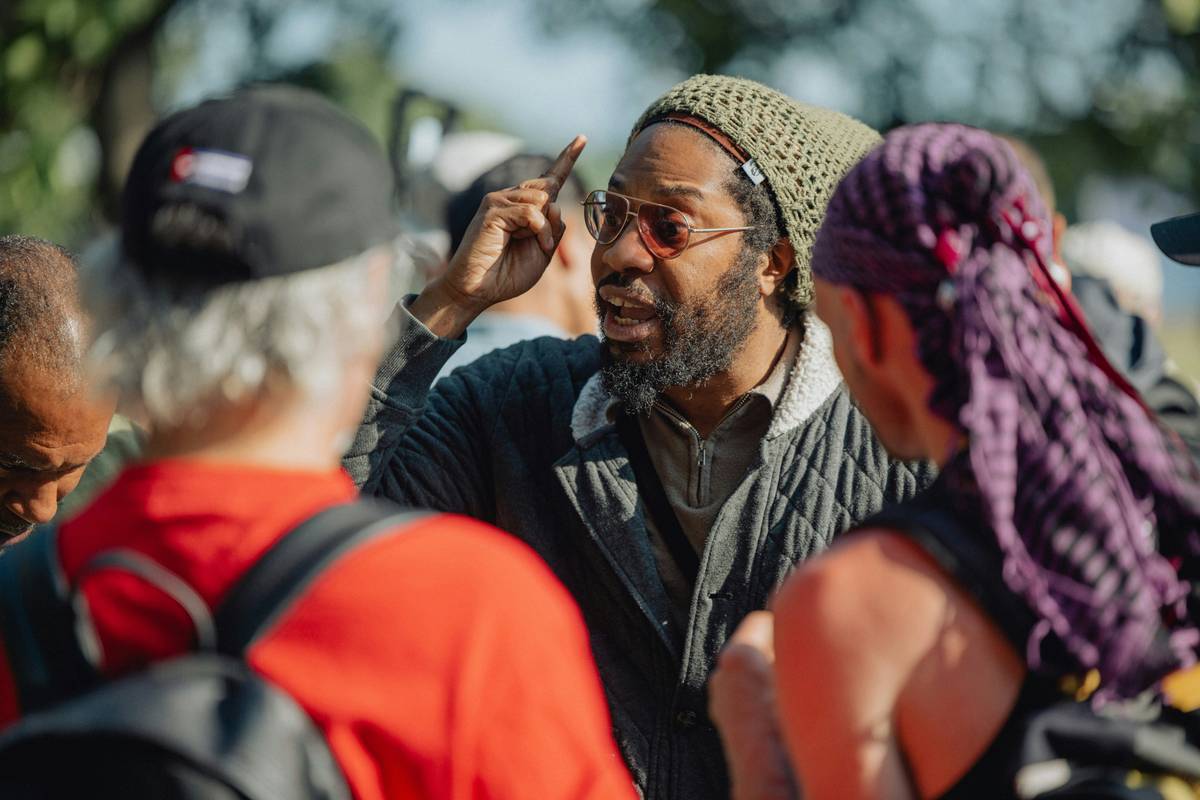
Data backs this up: according to a Urban Institute study, relational organizing—where trusted peers recruit and mobilize others—boosts participation by up to 40% compared to impersonal tactics. Yet only 28% of new organizers receive formal preparation. That gap is exactly what quality community organizing training programs fill: equipping people with frameworks for trust-building, conflict navigation, and collective action.
Step-by-Step Guide to Effective Grassroots Training
1. Diagnose Local Needs First
Don’t assume you know the community’s priorities. Start with one-on-one listening sessions. Ask open-ended questions like, “What keeps you up at night?” or “When did you last feel proud of this neighborhood?” At Network of Ideas, we’ve seen campaigns pivot successfully after just 20 such conversations revealed overlooked issues.
2. Choose the Right Online Format
Pre-recorded lectures won’t cut it. Opt for live, small-group cohorts with breakout rooms, role-playing exercises, and peer feedback. Platforms like Zoom or Mighty Networks facilitate this better than static LMS setups.
3. Embed Power Mapping Early
Teach participants to visualize influence: Who holds decision-making power? Who are the informal connectors? A simple power map prevents wasted energy on unmovable targets.
4. Practice the Ask
Train volunteers to make clear, specific requests (“Can you text 5 neighbors about Saturday’s meeting?”) rather than vague appeals (“Spread the word!”). Specificity drives action.
Best Practices for Impactful Organizing
- Rotate leadership roles to prevent burnout and build collective ownership.
- Track relationship depth, not just contact counts—e.g., how many neighbors have had three meaningful conversations?
- Integrate storytelling: Personal narratives build empathy faster than data alone.
- Avoid the terrible tip: “Just post more on Instagram.” Virality ≠ mobilization. Real change happens in living rooms, not feeds.
And please—stop treating every community like a marketing funnel. People aren’t leads; they’re partners. One pet peeve? When trainers reduce grassroots strategy to “conversion rates.” Human beings don’t convert—they commit, when respected as equals.
Real-World Success Stories
In 2023, a coalition in rural Kentucky used a hybrid community organizing training program (part online, part in-person) to tackle broadband access. After diagnosing needs through door-knocking and virtual listening sessions, they trained 60 residents in storytelling and power mapping. Within six months, they secured a $2.4M state grant—because their ask was grounded in real stories, not spreadsheets. Similarly, a youth-led climate group in California boosted meeting retention by 70% after shifting from lecture-style webinars to interactive skill labs focused on active listening and de-escalation.
These wins weren’t magic. They came from disciplined application of core principles taught in serious community organizing training programs—not viral hacks.
Frequently Asked Questions
What’s the difference between community organizing and activism?
Activism often focuses on raising awareness or protesting injustice. Community organizing builds long-term power by developing local leaders and creating structures for ongoing collective action—even after headlines fade.
Are free community organizing training programs effective?
Some are, especially those from universities or nonprofits like the Midwest Academy. But beware of programs lacking practice components. Look for curricula with role-plays, feedback loops, and mentorship—not just PDFs.
How long does training take to show results?
You’ll see shifts in volunteer confidence within weeks. Measurable community outcomes (e.g., policy changes, increased turnout) typically emerge in 3–6 months with consistent application.
Can online training replace in-person connection?
Not entirely—but it dramatically lowers barriers to entry. The best programs blend virtual learning with localized action, using tech to scale support while grounding work in physical communities.
Where can I find reputable training?
Start with resources from the Walmart Foundation’s community organizing grants page or university-based centers like the Haas Institute. Always vet for participatory methods.
Do I need prior experience to join?
No. Most effective community organizing training programs welcome beginners—but expect to do the work, not just watch it.
Ready to move beyond good intentions? Strong movements start with skilled people—not perfect plans. If you’re seeking tailored support for your initiative, reach out to our team. And remember: we never sell your data; learn how we protect your trust in our Privacy Policy.