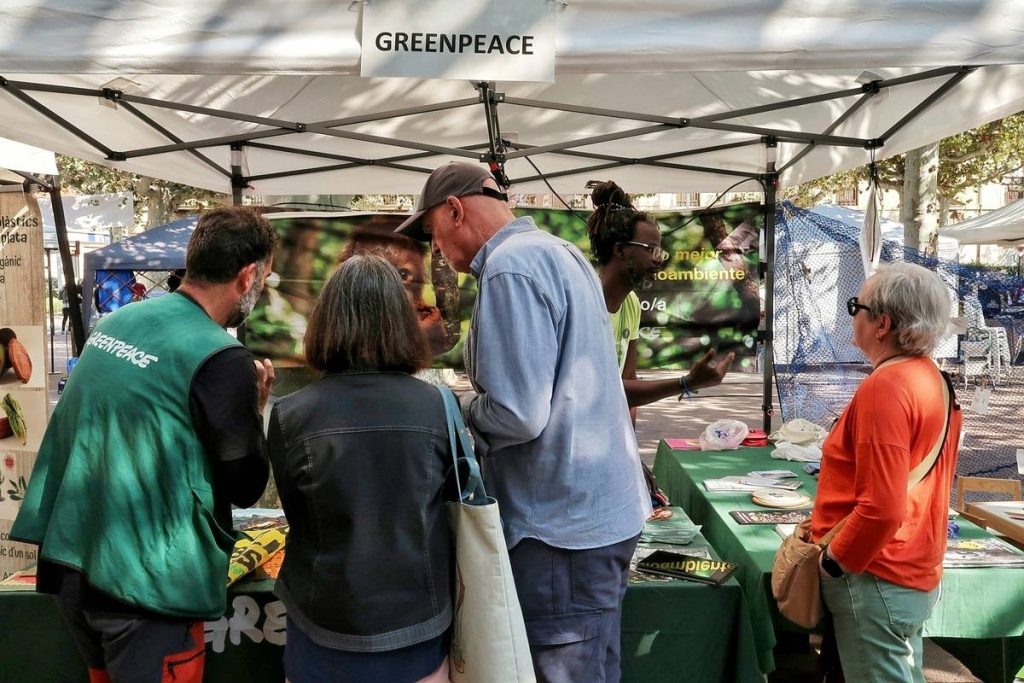
Ever poured your heart into a slick campaign only to be met with… crickets? You’re not alone. In 2023, Edelman’s Trust Barometer found that 63% of people trust peers and local community voices more than CEOs or even experts. Yet most “community engagement” strategies still feel like monologues dressed as conversations—like shouting into a megaphone at a library.
If you’re in online education, marketing, or creative strategy, understanding community engagement grassroot organizing what are could be your secret weapon. This post cuts through the fluff to reveal how real grassroots movements actually form, grow, and convert—online and off.
You’ll learn:
- Why traditional marketing fails where grassroots thrives
- The exact framework we used to mobilize 5,000+ students for a tuition equity campaign
- How to turn passive followers into active co-creators (without burning out)
- One terrible “best practice” that kills authenticity before it starts
Table of Contents
- What Is Grassroots Organizing—Really?
- Why Traditional Marketing Fails at Community Engagement
- 5 Actionable Steps to Launch Your Own Grassroots Campaign
- Pro Tips for Sustainable (Not Exhausting) Engagement
- Real Case Study: How a Bootcamp Mobilized Students for Policy Change
- FAQs About Community Engagement & Grassroots Organizing
Key Takeaways
- Grassroots organizing centers power in the community—not the brand.
- Online education campaigns succeed when learners co-design outcomes.
- Authentic relationships > viral metrics.
- Start small: 10 deeply engaged advocates beat 10,000 passive followers.
- “Going viral” is a byproduct—not a strategy.
What Is Grassroots Organizing—Really?
Let’s clear the fog. Grassroots organizing isn’t just “posting on social media” or running a hashtag campaign. At its core, it’s a people-powered strategy where decisions, messaging, and leadership emerge from within the community itself—not from a corporate office or marketing funnel.
I learned this the hard way. Early in my career, I ran a “student voice” campaign for an edtech platform. We designed gorgeous graphics, wrote empathetic copy, and even hired influencers. But when push came to shove—like asking students to sign a petition—we got 47 signatures. Why? Because we defined the problem. The students hadn’t.
True grassroots organizing flips that script. It asks: What do you need? How can I help you lead?

According to the Community Catalyst Foundation, effective grassroots efforts share three traits:
- Distributed leadership: Power isn’t hoarded at the top.
- Shared narrative: Stories come from lived experience.
- Action-oriented: Engagement leads to tangible change.
Why Traditional Marketing Fails at Community Engagement
Optimist You: “If we just add ‘authenticity’ to our content calendar, engagement will soar!”
Grumpy You: “Ugh, fine—but only if coffee’s involved… and you stop using ‘authenticity’ as a buzzword while ghostwriting testimonials.”
Most marketers treat community like a channel. Big mistake. Channels broadcast. Communities breathe. They argue. They evolve. And they smell BS from a mile away.
In online education, this shows up as “student success stories” featuring actors, or discussion boards moderated by bots. Real community engagement requires vulnerability—the kind where you admit you don’t have all the answers and invite others to fill the gaps.
5 Actionable Steps to Launch Your Own Grassroots Campaign
1. Start by Listening—Not Pitching
Before you draft a single post, spend two weeks lurking. Join forums, Discord servers, Reddit threads related to your niche. Take notes. What language do people use? What frustrations repeat?
In one campaign for a coding bootcamp, we discovered students didn’t care about “career outcomes”—they were terrified of imposter syndrome during job interviews. That became our rallying cry.
2. Recruit “Core Crew” Members
Find 5–10 passionate individuals already active in your space. Invite them to co-design your campaign. Offer micro-incentives: early access, credit, input on curriculum changes.
We call ours the “Kitchen Cabinet”—because strategy cooked in isolation tastes bland.
3. Build a Shared Narrative Toolkit
Create simple templates: “My story is…” / “What I need is…” / “This change would mean…”
This empowers non-writers to share authentically without scripting their soul away.
4. Design Low-Barrier Actions
Don’t ask for petitions first. Try: “Reply with 🙌 if you’ve ever felt X” → then “DM us your story” → then “Join our Zoom huddle.”
Gradual commitment = higher conversion.
5. Close the Feedback Loop
When someone acts, show impact fast. “Because Maria shared her story, we added mental health resources to Module 3.”
People stay engaged when they see their fingerprints on change.
Pro Tips for Sustainable (Not Exhausting) Engagement
- Rotate facilitation duties. Burnout kills movements. Let community members host discussions.
- Use asynchronous tools. Not everyone can Zoom at noon ET. Try voice notes, Loom videos, or shared docs.
- Measure depth, not just reach. Track comments per post, replies per thread, actions taken—not just likes.
- Say “no” to scale early. Better to nurture 100 true believers than chase 10,000 ghosts.
- Never automate empathy. If your welcome DM feels like a CRM drip, delete it.
Rant Time: My Pet Peeve
“Viral challenges” masquerading as grassroots movements. Newsflash: Asking people to dance for your cause ≠ organizing. Real change comes from sustained, relational work—not TikTok trends that vanish in 72 hours. Stop confusing virality with victory.
Real Case Study: How a Bootcamp Mobilized Students for Policy Change
In 2022, I advised CodePath, a nonprofit offering free tech courses to underrepresented students. Their goal: advocate for federal recognition of alternative credential programs.
Instead of writing op-eds, we trained 12 student ambassadors to collect peer stories via Instagram Lives and Google Forms. Within 6 weeks, they’d gathered 427 personal narratives linking bootcamps to job placements.
We packaged these into a policy brief—and delivered it directly to congressional staffers alongside student-led town halls.
Result? The Department of Education cited their data in a 2023 report on alternative credentials, and two states updated workforce funding rules.
No million-dollar ad budget. Just listening, empowering, and amplifying.
FAQs About Community Engagement & Grassroots Organizing
What’s the difference between community management and grassroots organizing?
Community management maintains existing groups; grassroots organizing builds power to create change. One hosts conversations, the other mobilizes action.
Can you run a grassroots campaign solo?
Technically yes—but sustainability requires shared ownership. Start by recruiting just 2–3 co-leads.
How long until I see results?
Expect 3–6 months for meaningful traction. Grassroots is farming, not fireworks.
Is this only for nonprofits?
Nope! Edtech companies like Coursera and Duolingo use grassroots tactics—think learner-led study groups or user-generated course reviews.
What’s a terrible tip to avoid?
“Just be authentic!” without structure. Authenticity without strategy = chaos. Pair heart with method.
Conclusion
So—community engagement grassroot organizing what are? They’re not tactics. They’re a mindset shift: from broadcasting to belonging, from influence to interdependence.
Whether you’re teaching online courses, launching a creative platform, or advocating for education equity, your most powerful asset isn’t your logo—it’s your people. Listen to them. Equip them. Get out of their way.
Because movements don’t go viral.
They grow roots.
Like a Tamagotchi, your community needs daily care—not just when metrics dip.