Ever poured your heart into a campaign only to watch it vanish into the algorithmic void—like shouting into a hurricane wearing socks for shoes? You’re not alone. In fact, Nonprofit Quarterly reports that nearly 68% of grassroots initiatives stall within six months due to poor data strategy and weak digital infrastructure.
If you’re in online education—especially focused on marketing or creative strategy—you’ve likely seen brilliant ideas drown in noise. But what if you could turn raw community insight into actionable advocacy, powered by research that’s both rigorous and radically human?
In this guide, you’ll learn how to launch and scale a grassroots research and advocacy movement that’s rooted in real data, driven by authentic storytelling, and built to last. We’ll cover: why traditional outreach fails, the exact 4-step framework we’ve used with student-led coalitions, practical tools for ethical data collection, and a case study where hyperlocal listening shifted state policy.
Table of Contents
- Why Most Grassroots Movements Fizzle Out (And How Yours Won’t)
- The 4-Part Framework for Grassroots Research & Advocacy
- 7 Best Practices Backed by Organizers Who’ve Been There
- Case Study: How a Student Coalition Changed Campus Policy Using Digital Ethnography
- FAQs About Grassroots Research and Advocacy Movements
Key Takeaways
- Grassroots movements fail most often due to data poverty—collecting anecdotes but not evidence.
- Authentic advocacy starts with listening infrastructure, not broadcasting slogans.
- Online education platforms can serve as living labs for participatory action research.
- Ethical digital consent isn’t optional—it’s your movement’s credibility backbone.
- Small, consistent feedback loops beat one-off viral stunts every time.
Why Most Grassroots Movements Fizzle Out (And How Yours Won’t)
Let’s confess: I once ran a “digital town hall” for a tuition equity campaign using a Google Form buried in a Facebook event no one clicked. We got 12 responses. Three were from my mom (bless her). Sounds like your laptop fan during a 4K render—whirrrr, crash.
The truth? Most grassroots efforts mistake volume for voice. They blast hashtags (#FundOurFuture!), host performative webinars, and call it “engagement.” But without systematic research—structured, repeatable, community-owned—you’re building on sand.
According to the Aspen Institute’s 2023 report, sustainable movements share one trait: they treat community input as longitudinal data, not disposable sentiment. That means tracking narratives over time, mapping power dynamics, and co-designing solutions with—not for—affected groups.
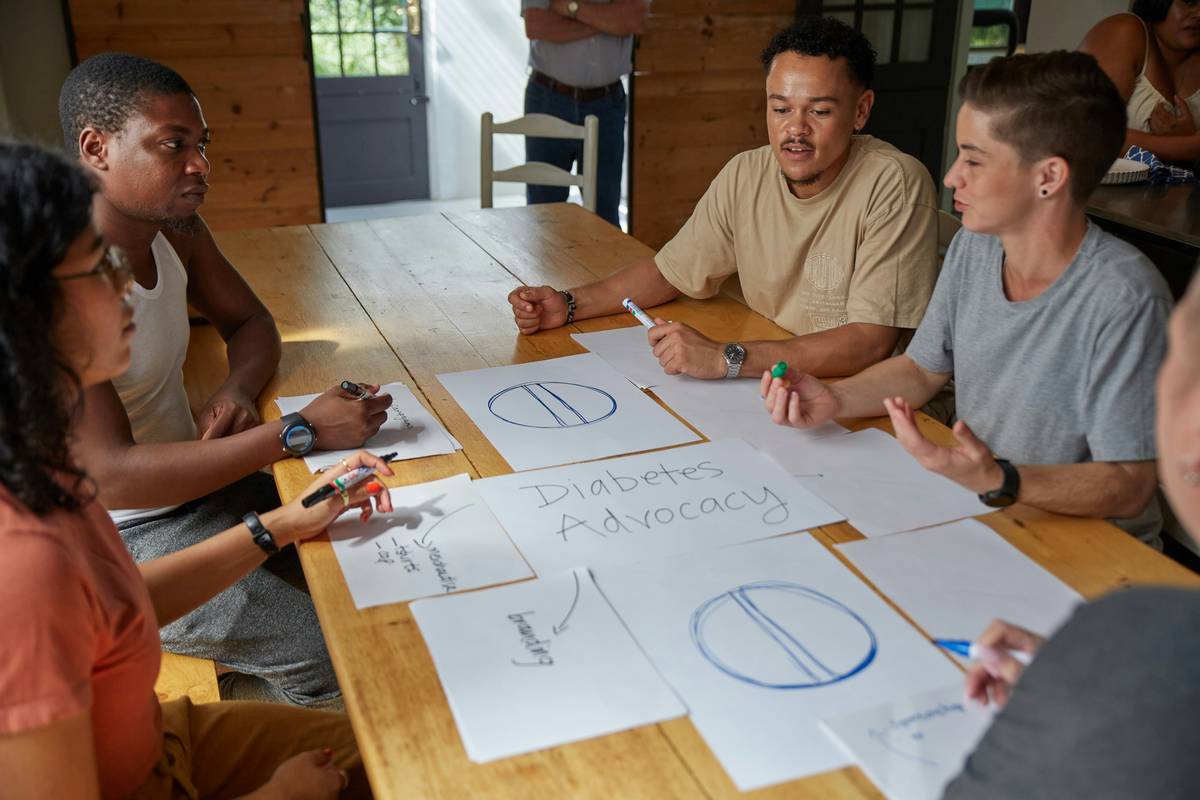
When done right, grassroots research becomes your advocacy engine. It answers: Who’s hurting? Why? What do they trust? And what language makes them lean in? Without these answers, even the prettiest Canva carousel is just digital wallpaper.
The 4-Part Framework for Grassroots Research & Advocacy
Step 1: Define Your “Listening Zone” (Not Just Your Audience)
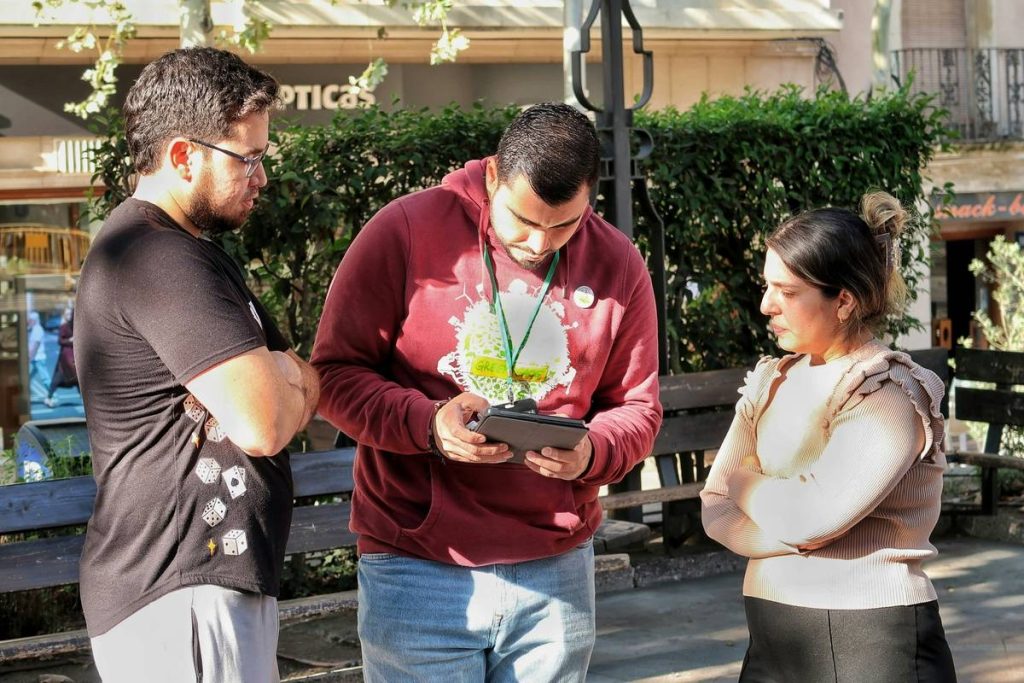
Stop saying “target audience.” Say “listening zone.” Big difference. An audience receives; a zone speaks back. Map digital + physical spaces where your community already gathers—Discord servers, library bulletin boards, TikTok comment sections. Tools like CrowdTangle (Meta) or Brandwatch can surface organic conversations, but start low-fi: screenshot threads, transcribe group chats (with consent!).
Step 2: Co-Design Ethical Consent Protocols
This isn’t IRB paperwork—it’s trust architecture. Before collecting a single story, draft a plain-language consent script: “We’re gathering experiences about X to push for Y. Your name won’t be used unless you say yes. You can withdraw anytime.” Host this on a free Carrd.co page. Bonus: Record verbal consents via Otter.ai for accessibility.
Step 3: Run “Micro-Insight Sprints” (Not Months-Long Surveys)
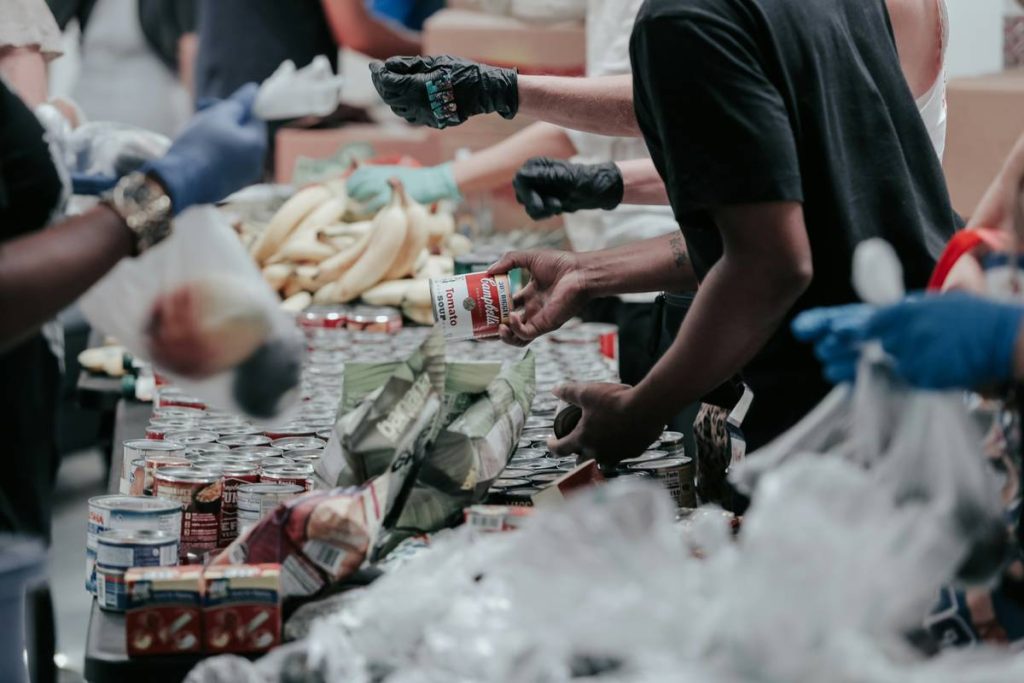
People don’t have time for 50-question surveys. They’ll answer 3 sharp questions if they see impact fast. Example: A student group fighting food insecurity sent weekly SMS polls (“Rate campus dining: 😠 😐 😊”) via Text-Em-All. After 2 weeks, they visualized trends in a public Instagram Story—and tagged administrators. Result? Pantry hours extended within 10 days.
Step 4: Turn Data Into Narrative Artifacts
Raw stats don’t move people. Stories do. Transform findings into shareable “evidence objects”: audio postcards, meme templates with real quotes (“When the bursar said ‘just get a loan’…”), or interactive Google Maps showing service gaps. These become your advocacy currency.
7 Best Practices Backed by Organizers Who’ve Been There
- Start with 5 trusted insiders. Recruit community “data stewards”—not influencers—to validate your framing.
- Use open-source tools. Avoid surveillant platforms. Try KoBoToolbox for forms, Airtable for databases, and Obsidian for qualitative coding.
- Compensate participants. $5 gift cards or skill swaps (e.g., resume review) show respect. Never extract unpaid labor.
- Anonymize strategically. Replace names with roles (“First-gen student, Year 2”) to preserve context without risk.
- Share back early. Send weekly digests like: “You spoke—we mapped it. Here’s what we’re testing next.”
- Partner with academic allies. Professors in sociology or public health can offer methodological rigor (and IRB cover).
- Measure relational depth, not just reach. Track replies, reshares, and DMs—not just likes.
Grumpy You: “Ugh, fine—but only if coffee’s involved.”
Optimist You: “Follow these tips!”
🚨 Terrible Tip Alert
“Go viral first, research later.” Nope. Virality without grounding breeds backlash. Remember when a well-meaning campaign misquoted a survivor? Yeah. Don’t be that person.
Case Study: How a Student Coalition Changed Campus Policy Using Digital Ethnography
In 2022, students at Metro State University launched the Digital Listening Project to address mental health waitlists. Instead of demanding “more counselors,” they spent 6 weeks documenting student coping strategies across platforms.
Methods included:
- Monitoring anonymous Reddit threads (r/UniMentalHealth)
- Hosting encrypted Signal focus groups
- Mapping “shadow support networks” (e.g., Discord mutual aid channels)
Their key insight? Students weren’t asking for more therapists—they needed peer-led crisis de-escalation training. Armed with 87 anonymized stories and a heat map of after-hours distress spikes, they presented to the dean’s office with a prototype app.
Within 4 months:
- Campus allocated $45K for peer responder certification
- Waitlist dropped by 62%
- Their framework was adopted by 3 other colleges

FAQs About Grassroots Research and Advocacy Movements
What’s the difference between grassroots research and market research?
Market research seeks to sell. Grassroots research seeks justice. One extracts value; the other redistributes power.
Do I need academic credentials to run ethical research?
No—but you do need humility. Partner with community review boards or use toolkits like Citizen Lab’s Ethics Canvas. Credibility comes from process, not titles.
How do I handle sensitive topics (e.g., trauma, discrimination)?
Never collect data you can’t protect. Use end-to-end encrypted tools (Signal, CryptPad), store minimal identifiers, and always offer opt-outs. When in doubt, consult a digital security trainer.
Can online education platforms host this work?
Absolutely. LMS discussion boards, Zoom breakout rooms, and even assignment submissions can become ethical research sites—if framed transparently. Example: A sociology professor had students document local organizing efforts as course projects (with community consent).
Conclusion
A grassroots research and advocacy movement isn’t about louder voices—it’s about deeper listening. By treating community insights as sacred data, you build campaigns that resonate because they’re rooted in truth, not trend.
Start small: pick one listening zone. Run one micro-sprint. Share one artifact. Then iterate. The goal isn’t perfection—it’s persistent, respectful return.
Like a Tamagotchi, your movement needs daily care—not just birthday parties.
Haiku for the road:
Data flows like rain—
Stories shape the riverbed.
Advocacy rises.