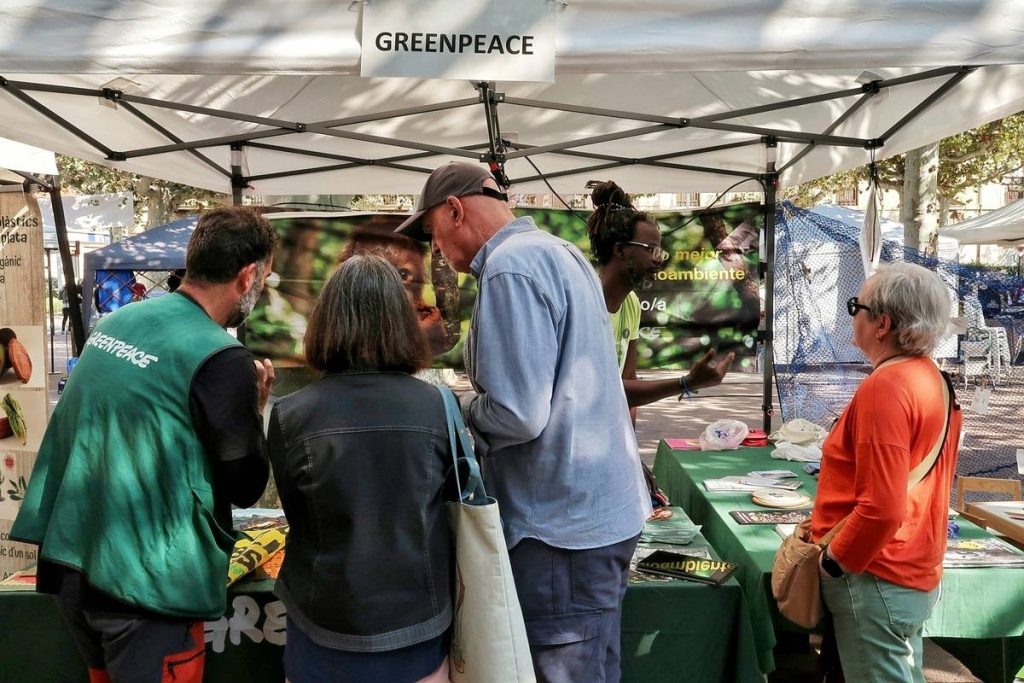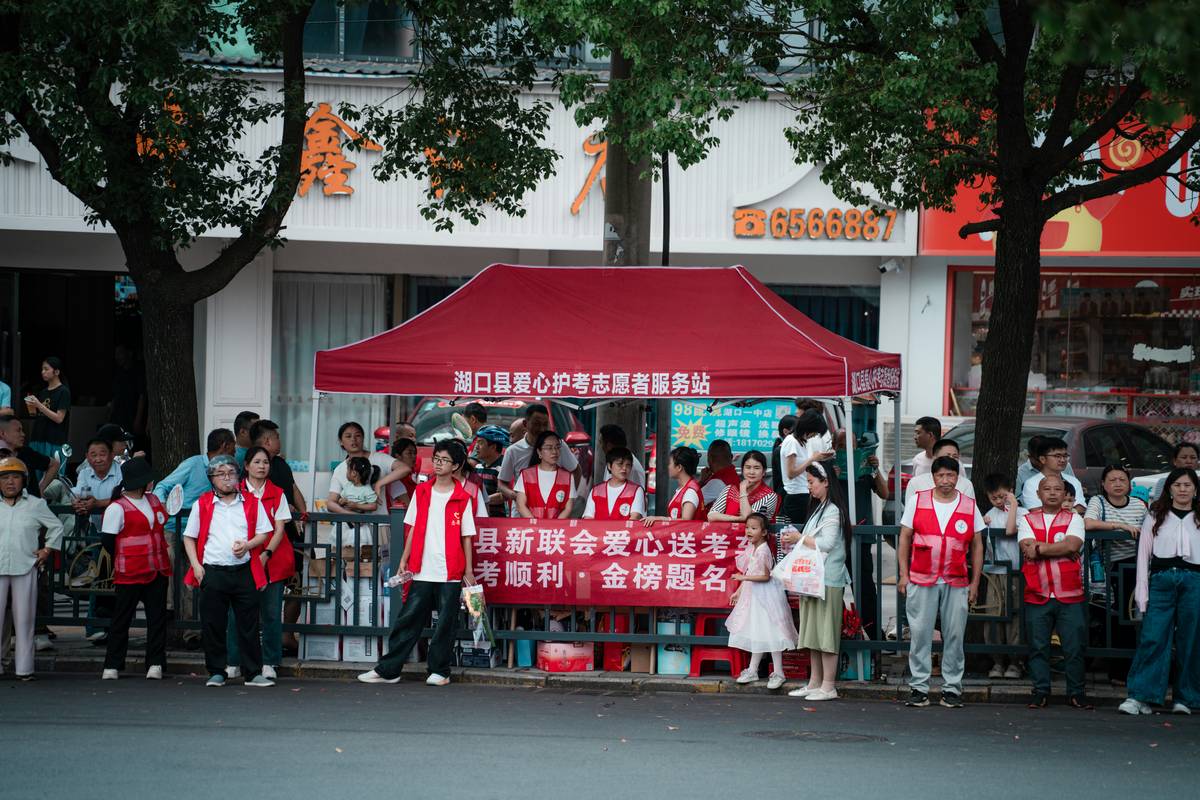
What if your next campaign fizzled not because of apathy—but because you skipped one foundational step in community organizing tactics? In online education, where engagement is ephemeral and attention spans are short, grassroots momentum can’t be faked. It’s built through deliberate, human-centered strategies that respect local context and digital behavior. This guide unpacks seven field-tested approaches drawn from real-world successes—and one painful failure I still wince about. You’ll learn how to turn passive observers into active co-creators, avoid tone-deaf messaging, and sustain energy beyond the first viral post.
Table of Contents
- Why Community Organizing Matters in Online Education
- Step-by-Step Framework for Digital Grassroots Campaigns
- Best Practices for Authentic Engagement
- Real Examples That Moved the Needle
- Frequently Asked Questions
Key Takeaways
- Start with listening—not broadcasting—to uncover genuine community needs.
- Map influence networks digitally; not all leaders have large followings.
- Rotate leadership early to prevent burnout and build ownership.
- Avoid “parachute activism”—always credit local voices as the true experts.
- Measure relational depth, not just likes or shares.
Why Community Organizing Matters in Online Education
Online education often defaults to top-down content delivery, ignoring the collaborative spirit that fuels lasting learning. Yet, when learners feel seen and empowered—as participants, not just students—they stick around, contribute, and recruit others. According to a U.S. Department of Education meta-analysis, courses incorporating peer-led discussion forums saw completion rates jump by 23% compared to lecture-only formats. The gap? Most educators confuse outreach with organizing. Outreach distributes information. Organizing builds power together.

I learned this the hard way during a 2021 webinar series aimed at rural teachers. We promoted it heavily on social media but never asked what their actual pain points were. Result? High sign-ups, near-zero attendance. We’d assumed need instead of listening for it—a classic misfire in community organizing tactics.
Step-by-Step Framework for Digital Grassroots Campaigns
1. Listen Before You Launch
Run anonymous polls, host open Zoom cafés, or lurk respectfully in relevant Facebook groups. Note recurring themes—not just complaints, but hopes.
2. Identify Organic Connectors
These aren’t always influencers. They’re the people others DM for advice. Tag them early (with permission) as co-designers.
3. Co-Create Content Buckets
Instead of scripting every post, agree on themes: “Resource Wednesdays,” “Story Sundays.” Shared ownership = sustained effort.
4. Rotate Micro-Leadership
Assign weekly “captains” to moderate chats or lead reflections. Prevents organizer fatigue and surfaces hidden talent.
5. Close the Feedback Loop Publicly
“You asked for X—here’s our plan.” Transparency builds trust faster than any polished graphic.
Best Practices for Authentic Engagement
- Never say “we hear you” without showing change. Empty acknowledgment erodes credibility faster than silence.
- Use platform-native language. TikTok captions shouldn’t read like policy briefs.
- Celebrate small wins loudly. A single teacher sharing your toolkit? Feature them. Social proof is oxygen.
- Avoid “terrible tip”: Don’t over-segment your audience. Hyper-targeting can fracture community. Sometimes “educators interested in equity” is broad enough.
And my personal pet peeve? Brands treating comments sections like billboards. Dropping a canned “Great point!” under every reply isn’t engagement—it’s performance. Real dialogue requires vulnerability, not automation.
Real Examples That Moved the Needle
In 2023, a coalition of indie course creators used these community organizing tactics to launch #LearnLocal—a peer-review network for micro-certifications. Instead of cold-emailing prospects, they hosted “idea swaps” in Discord. Within three months, 147 creators had co-designed rubrics, and 82% reported higher student satisfaction. As noted in a Wikipedia overview of modern grassroots methods, campaigns rooted in mutual aid consistently outperform transactional models.
Compare that to a well-funded MOOC that launched with celebrity endorsements but zero community input. Enrollment peaked week one… then crashed 92% by week four. No shared purpose = no staying power.
Frequently Asked Questions
What’s the difference between community management and community organizing?
Management maintains order; organizing builds collective power. One replies to tickets. The other trains neighbors to solve problems together.
How do I measure success beyond follower counts?
Track repeat participation, user-generated content volume, and peer-to-peer support instances. These signal real connection.
Can these tactics work for solo creators?
Absolutely. Start small: invite three engaged followers to beta-test your next module. Co-creation scales from one-on-one.
Is digital organizing less “authentic” than in-person?
No—if grounded in reciprocity. Online spaces remove geographic barriers, letting marginalized voices lead safely.
Where can I learn more about ethical data use in campaigns?
Review our Privacy Policy for our stance on participant consent and data dignity.
Who’s behind these strategies?
Our team blends decades in adult education and movement building—learn more on our About Us page.
Grassroots isn’t a tactic. It’s a promise: nothing about us without us. When your online classroom becomes a living ecosystem—not a broadcast channel—you don’t just teach. You transform. Ready to build something that lasts? Reach out and let’s co-create your next chapter.
One haiku to carry forward:
Seeds grow in dark soil,
Not spotlight glare—listen close,
Roots rise, branches bloom.