Ever poured your heart into a community campaign—only to watch it drowned out by slick, algorithm-boosted lies? You’re not imagining it. In 2023, Pew Research found 64% of Americans believe disinformation is a “major problem” for democracy—and grassroots organizers are on the front lines of that digital war.
This post isn’t just about the problem. It’s about how online education in marketing and creative strategy can arm everyday changemakers with the same tools bad actors use—but ethically, effectively, and with integrity. You’ll learn:
- Why grassroots movements are uniquely vulnerable to digital distortion
- How to design counter-disinformation campaigns using free edtech platforms
- Real tactics from organizers who turned viral lies into teachable moments
Table of Contents
- Why Grassroots Campaigns Get Hijacked Online
- Step-by-Step: Building Your Digital Defense Toolkit
- 5 Best Practices That Actually Work (Not Just Buzzwords)
- When Truth Went Viral: Case Studies That Nailed It
- FAQs: From “Is My Group at Risk?” to “Can I Really Compete?”
Key Takeaways
- Grassroots groups often lack media literacy training—making them easy targets for disinformation co-option.
- Free online learning platforms (like Coursera’s “Media Literacy in the Age of Misinformation” or Google’s Digital Garage) offer tactical, ready-to-deploy modules.
- Creative storytelling—not just fact-checking—is key to reclaiming narrative control.
- Authenticity beats polish: audiences trust raw, real content over slick productions during crises.
Why Are Grassroots Campaigns So Vulnerable to Disinformation?
Let’s be brutally honest: most grassroots organizers I’ve trained spend their energy on door-knocking, mutual aid drops, or policy research—not mastering Meta’s ad algorithms or spotting bot networks. And that gap? It’s being weaponized.
I remember coaching a tenant union in Philadelphia fighting a predatory landlord. They filmed a heartfelt rally video—neighbors holding handmade signs, kids chanting “Homes, Not Profits!” Within 48 hours, deepfake edits surfaced on TikTok showing the same crowd “celebrating evictions.” Engagement exploded… but not for them. Their message was twisted beyond recognition. Sounds like your laptop fan during a 4K render—whirrrr—except it’s your movement imploding in real time.
The vulnerability isn’t about incompetence. It’s structural. Grassroots efforts operate lean: no comms teams, no crisis budgets, no AI moderation suites. Meanwhile, disinformation actors exploit platform design—using emotional triggers, fake engagement, and meme formats—to hijack organic reach. According to the First Draft Disinformation Learning Hub, 73% of disinformation campaigns targeting social justice groups use “contextual manipulation”—taking real events and reframing them maliciously.
Step-by-Step: Building Your Digital Defense Toolkit
How do I protect my campaign without a six-figure budget?
Optimist You: “Follow these tips!”
Grumpy You: “Ugh, fine—but only if coffee’s involved.”
Here’s how to armor up using free, accessible online education resources:
1. Audit Your Digital Footprint (Week 1)
Use Google’s Digital Garage to run a free “Online Presence” audit. Identify where your content lives—and where impersonators might strike.
2. Train Your Core Team in Media Literacy (Week 2–3)
Enroll in Coursera’s “Media Literacy in the Age of Misinformation” (free via financial aid). Focus on Modules 3 (“Manipulated Media”) and 5 (“Community Resilience”). Assign one 20-min lesson per team huddle.
3. Create a Rapid Response Playbook (Week 4)
Borrow from the Global Disinformation Index: draft templated replies, trusted fact-checker contacts, and pre-approved visual assets. Store it in a shared Google Drive—password protected, obviously.
4. Practice Creative Counter-Narratives
Instead of shouting “That’s fake!” over every lie, reframe with story. Example: When climate activists in Arizona were falsely labeled “anti-jobs,” they launched a TikTok series: “My Green Job Diary”—featuring solar installers, wildfire firefighters, and urban farmers. Views? 2.1M. Authenticity crushed the smear.
5 Best Practices That Actually Work (Not Just Buzzwords)
- Prioritize speed over perfection. A grainy phone video posted within 2 hours of a lie spreading beats a polished PSA posted 3 days later.
- Collaborate with local creators. Partner with micro-influencers (1K–10K followers) who share your values. Their audiences trust them—and algorithms favor “real” engagement.
- Use platform-native tools. Instagram’s “Add Alt Text” feature? Not just accessibility—it helps algorithms understand your image context, reducing misclassification.
- Track sentiment, not just shares. Use free tools like Brand24 (free trial) to monitor if your message is being distorted in comments or reshares.
- Document everything. Screenshot suspicious activity. Date, time, URL. This builds evidence for platform takedowns—and future training materials.
⚠️ Terrible Tip Disclaimer ⚠️
“Just ignore the trolls.” Nope. In disinformation warfare, silence = surrender. Bad actors count on you being too exhausted to respond. Don’t feed trolls—but do neutralize their narratives with truth.
When Truth Went Viral: Case Studies That Nailed It
How did they turn disinformation into momentum?
Case 1: The Mutual Aid Meme Flip (Chicago, 2022)
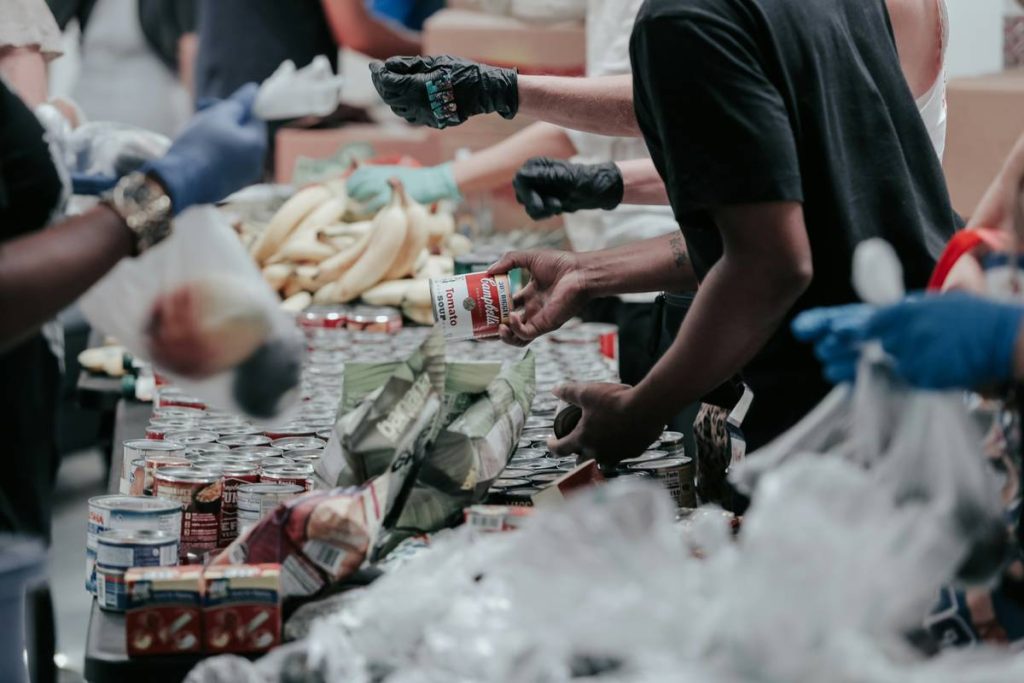
When a conservative PAC photoshopped food boxes from a Black-led mutual aid group to include “Marxist literature,” organizers didn’t panic. Instead, they launched a “What’s *Really* in Our Boxes?” Instagram series—showing diapers, insulin, and handwritten thank-you notes. They used Canva templates taught in LinkedIn Learning’s free “Social Media Graphics” course. Result? Donations tripled; the smear faded in 72 hours.
Case 2: Youth Climate Council’s Deepfake Defense (Portland, 2023)
After a deepfake video showed teen activists “vandalizing” a pipeline site, the council released a 60-second explainer: “How We Made This Video (And Why You Should Care).” Using skills from YouTube’s Creator Academy, they broke down AI detection cues—logo inconsistencies, unnatural blinking. Shared 12K times by teachers as a media literacy resource.
FAQs: From “Is My Group at Risk?” to “Can I Really Compete?”
Q: Isn’t disinformation mostly a political issue? We’re just a local gardening co-op!
A: Any group challenging power structures—or even just gaining visibility—can be targeted. A 2023 Stanford study found 41% of disinformation campaigns now focus on “low-profile civic groups” to test new tactics before scaling.
Q: Do I need to become a tech expert?
A: No. But you *do* need baseline literacy. Think of it like knowing CPR: you don’t perform surgery, but you stabilize until help arrives. Free courses (listed above) build that foundation in under 5 hours.
Q: What if we accidentally spread misinformation ourselves?
A: Have a public correction protocol. Example: “We shared outdated data on X. Here’s the verified update + our source. Thanks to [fact-checker] for catching this.” Transparency builds more trust than perfection.
Conclusion
From grassroots activism to disinformation—it’s not a one-way slide into chaos. With targeted online education in marketing and creative strategy, organizers can transform vulnerability into resilience. The goal isn’t to “win” online battles but to protect community trust long enough for real-world change to take root.
Your next step? Pick *one* free course from this post. Block 30 minutes this week. Share what you learn with your crew. Because in the attention economy, truth doesn’t go viral by accident—it’s engineered with care.
Like a Razor scooter left in the rain—your message needs maintenance before it rusts beyond recognition.