Most political campaigns fail before they even launch—not from lack of funding, but from mistaking rallies for relationships. They throw slogans at crowds and wonder why nothing sticks. The problem? They ignore the core truth: grassroots advocacy campaigns meaning isn’t about volume—it’s about velocity of trust. Real change starts when strangers become neighbors, and neighbors become organizers.
Why Traditional Campaign Playbooks Are Obsolete
Digital ads. TV spots. Endorsement tours. These tactics dominate campaign budgets—but they’re top-down theater.
They broadcast. They don’t build.
And in today’s polarized climate, people tune out anything that smells like spin.
Here’s the reality: 73% of voters say they trust recommendations from someone they know over any paid message (Edelman Trust Barometer, 2023). Yet most campaigns still treat volunteers as megaphones—not messengers.
That’s why turnout stalls and policy wins evaporate after election day.
How to Build a Grassroots Advocacy Campaign That Actually Moves People
Forget “mobilizing.” Focus on multiplying.
Map Micro-Communities, Not Just Zip Codes
LSI: hyperlocal engagement strategy
Break your district into clusters—church groups, PTA networks, union halls, barbershops, Discord servers. Identify the informal leaders in each. These aren’t necessarily influencers; they’re the people others ask, “What do you think?”
Equip Organizers, Don’t Script Them
LSI: decentralized narrative framework
Give your ground teams talking points anchored in shared values—not canned scripts. A nurse in rural Ohio will frame healthcare differently than a rideshare driver in Phoenix. Let them. Authenticity beats consistency every time.
Measure Conversations, Not Clicks
LSI: relational organizing metrics
Track depth, not width. How many 1:1 conversations happened last week? How many resulted in a commitment—a vote, a door knock, a story shared? That’s your real KPI.
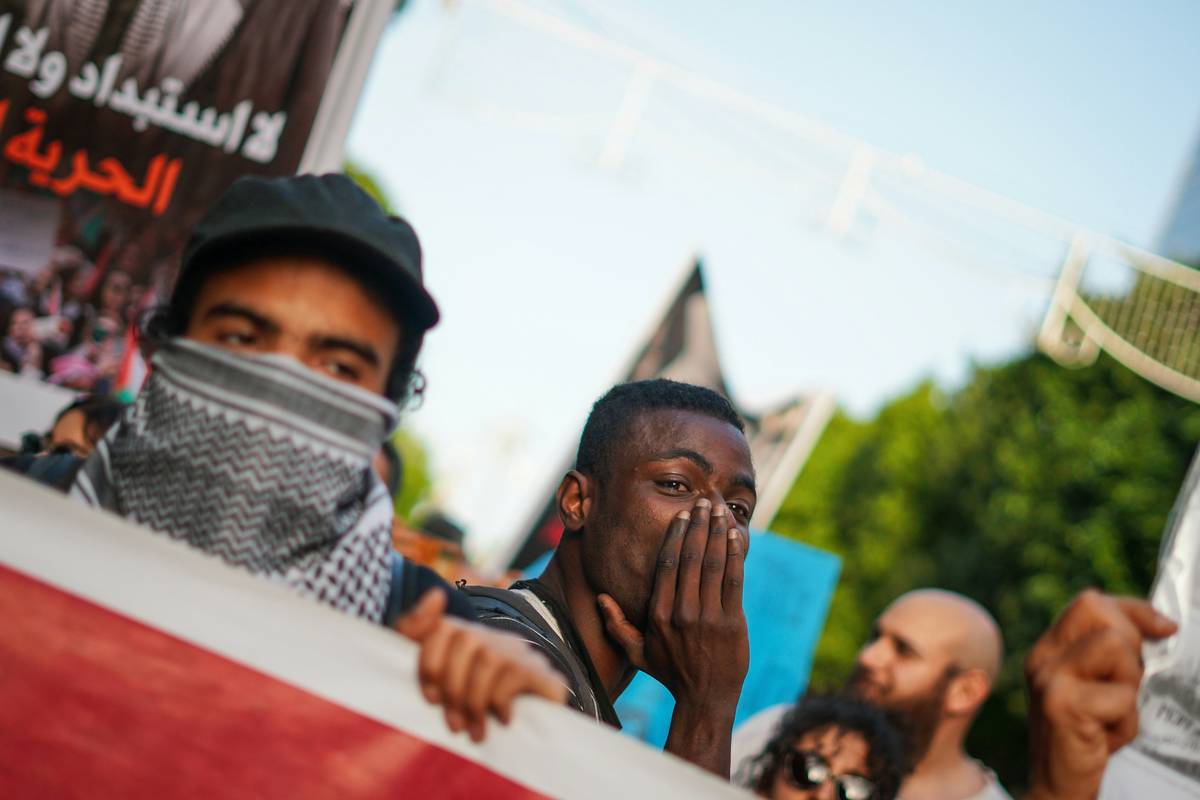
| Tactic | Startup Cost | Trust Velocity | Scalability |
|---|---|---|---|
| TV Advertising | $50,000+ | Low | High |
| Social Media Ads | $5,000+ | Very Low | High |
| Door-to-Door Canvassing | $1,500 | Medium | Medium |
| Relational Organizing (Friend-to-Friend) | $500 | High | Exponential |
The Industry Secret: Burn the Org Chart
Here’s what national campaign directors won’t admit: the most effective grassroots advocacy campaigns meaning emerges from chaos—not control.
In a winning 2022 city council race in Austin, the campaign didn’t assign field captains. Instead, they trained 12 initial supporters in active listening—and let them recruit their own teams based on existing social ties. No central dashboard. No daily check-ins. Just weekly storytelling circles.
The result? 4x more voter contacts than projected—and 89% of those contacts came from second- or third-degree connections the campaign never knew existed.
The math is simple: trust compounds faster than commands.
Frequently Asked Questions
What distinguishes grassroots advocacy from lobbying?
Grassroots advocacy mobilizes ordinary people to voice collective demands. Lobbying involves paid professionals influencing policymakers directly. One builds public power; the other rents access.
Can digital tools replace face-to-face organizing?
No. Apps can coordinate—but only human interaction builds the emotional stakes needed for sustained action. Digital amplifies; it doesn’t ignite.
How long does a typical grassroots campaign take to show results?
Initial momentum often appears in 6–8 weeks. But durable change—policy shifts, cultural reframing—requires 12+ months of consistent relationship-building.