Most grassroots campaigns fizzle out before they gain traction. They spark passion—but lack structure. Without grounding in solid community organizing theory, even the most well-intentioned efforts collapse under logistical chaos or donor fatigue. The good news? You can avoid this fate—by adopting battle-tested frameworks that fuse empathy with execution.
Why Traditional Activism Keeps Repeating the Same Mistakes
Too many organizers treat mobilization like a protest playlist: loud, emotional, and disconnected from long-term strategy. They confuse visibility with impact. And they rarely measure whether real change occurs—or if they’re just preaching to the converted.
The fatal flaw? Ignoring power mapping. Community organizing isn’t about gathering crowds. It’s about shifting decision-making leverage. Without diagnosing who holds power—and how to pressure them—your campaign becomes performance art, not policy change.
A Step-by-Step Framework for Sustainable Grassroots Impact
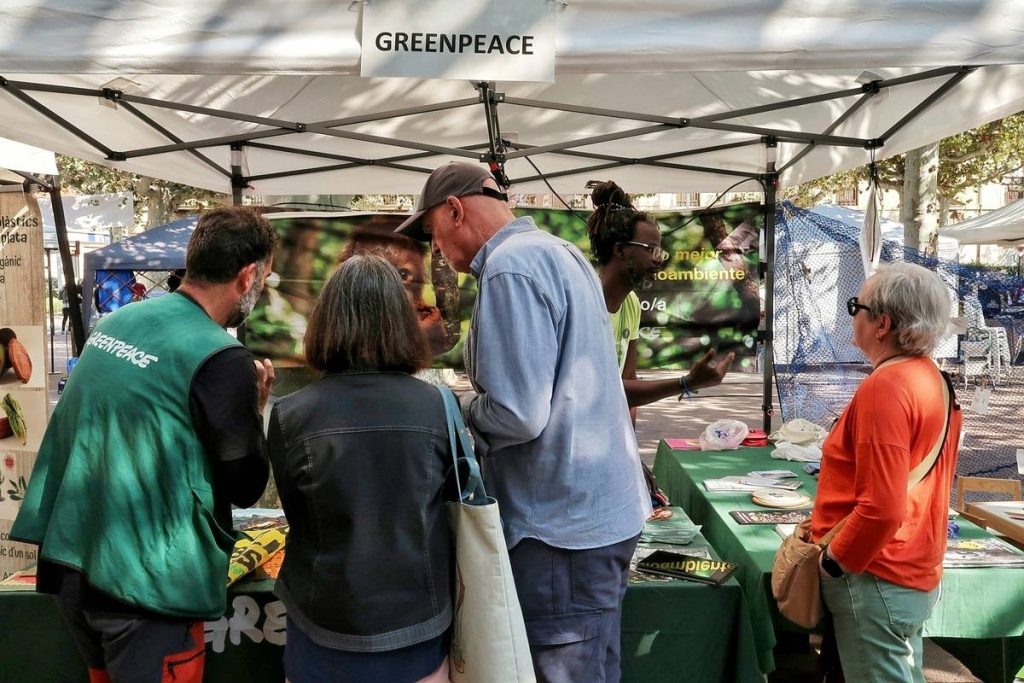
Forget viral hashtags. Real organizing happens in living rooms, union halls, and school board meetings. Here’s how to build something that lasts:
Map Stakeholders Before You Mobilize
Who benefits from the status quo? Who’s silently suffering? Don’t assume. Interview 10 people outside your usual circle. Document their pain points, social ties, and perceived allies. This is reconnaissance—not outreach.
Design Escalating Asks
New recruits shouldn’t lead marches on Day 1. Start small: collect signatures, host a neighbor coffee chat, share a story on WhatsApp. Each action builds confidence—and data. Track participation depth, not just headcount.
Rotate Leadership Intentionally
Burnout kills movements faster than opposition. Institutionalize co-leadership early. Pair veterans with newcomers on every task force. Shared ownership prevents single-point failure—and cultivates resilience.

| Strategy | Time to Launch | Resource Cost | Long-Term Viability |
|---|---|---|---|
| Hashtag Campaigns | Hours | Low | Poor — fades in 2–4 weeks |
| Door-to-Door Canvassing | 2–3 weeks | Medium (training + materials) | Strong — builds relational density |
| Anchor Institution Partnerships | 6–8 weeks | High (coordination overhead) | Excellent — embeds movement in existing infrastructure |
| Hybrid Digital + In-Person Base Building | 3–4 weeks | Medium-High | Optimal — balances scale with depth |
The Industry Secret Most Funders Won’t Admit
Donors love “scalable” models. But real community change doesn’t scale—it replicates. There’s a difference. Scaling assumes uniformity; replication embraces local adaptation. The most effective networks (like the Industrial Areas Foundation or Momentum) don’t export playbooks. They export principles—and let each chapter reinterpret them based on neighborhood culture, language, and power dynamics.
Here’s the reality: Your campaign in Detroit shouldn’t mirror one in Denver. Yet nonprofit consultants keep selling cookie-cutter toolkits because it’s easier to fund. Resist it. Build your own playbook—grounded in community organizing theory, but shaped by your people’s lived truth.
Frequently Asked Questions
What is the core principle of community organizing theory?
It centers on building collective power through relationships—not just raising awareness. Power is redistributed only when organized communities challenge decision-makers directly.
How is community organizing different from activism?
Activism expresses dissent. Organizing builds durable structures to win concrete changes. One rallies; the other governs.
Can digital tools replace face-to-face organizing?
No. Online tools accelerate outreach—but trust is forged in person. Hybrid models work best when digital supports, not substitutes, relational depth.