Most grassroots campaigns fizzle out before they ever reach momentum. You’ve poured hours into flyers, social posts, and town halls—only to watch turnout dwindle and energy flatline. The problem isn’t passion. It’s strategy. Real community organizing strategies don’t scale through algorithms—they scale through human friction, trust, and deliberate design.
Why Traditional Tactics Keep Failing
Legacy playbooks rely on broadcast messaging: emails, press releases, mass invites. But today’s communities are fragmented, skeptical, and overloaded. They don’t respond to “calls to action.” They respond to belonging.
And here’s the brutal truth: if your outreach feels transactional—even slightly—it gets ignored. People sniff out performative engagement faster than you can say “volunteer sign-up form.”
Building Movements That Stick: A Practical Framework
Forget viral moments. Focus on relational density—the number of meaningful connections per participant. High relational density = resilience. Low density = collapse at first opposition.
Map Your Community’s Hidden Hubs
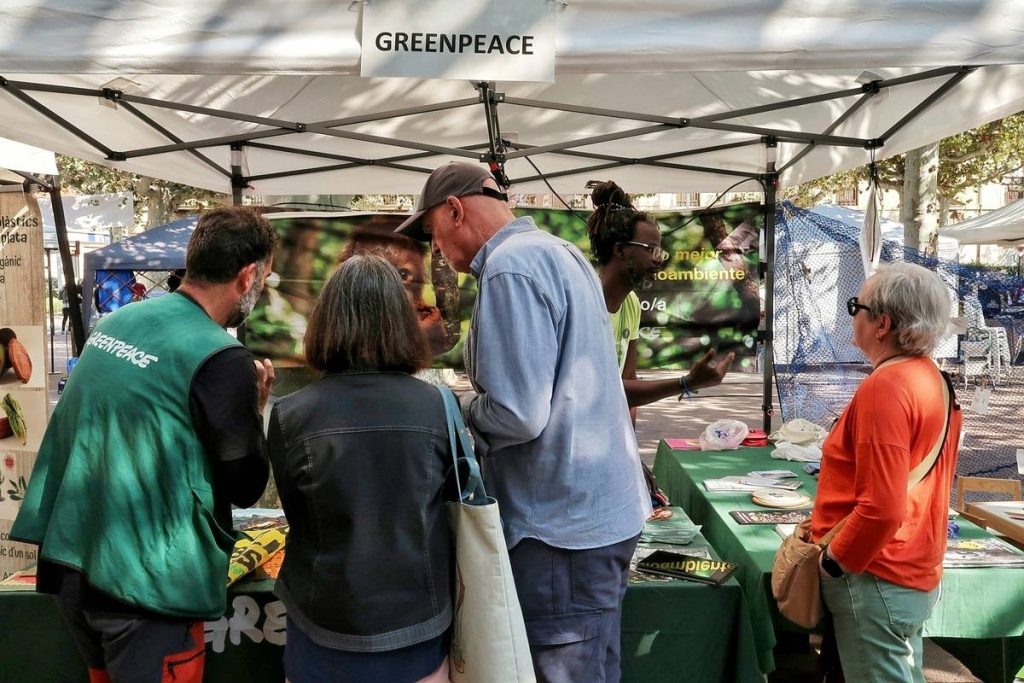
Don’t start with demographics. Start with existing gathering points: corner stores, faith centers, pickup basketball games, even group chats. These are organic nodes where trust already lives. Insert yourself there—not as a leader, but as a listener.
Seed Micro-Actions, Not Mega-Campaigns
A 5-minute task completed builds more ownership than a 5-hour ask declined. Have someone share a story. Introduce two neighbors. Host a 15-minute coffee walk. Tiny wins rewire participation psychology.
Rotate Leadership Early—and Often
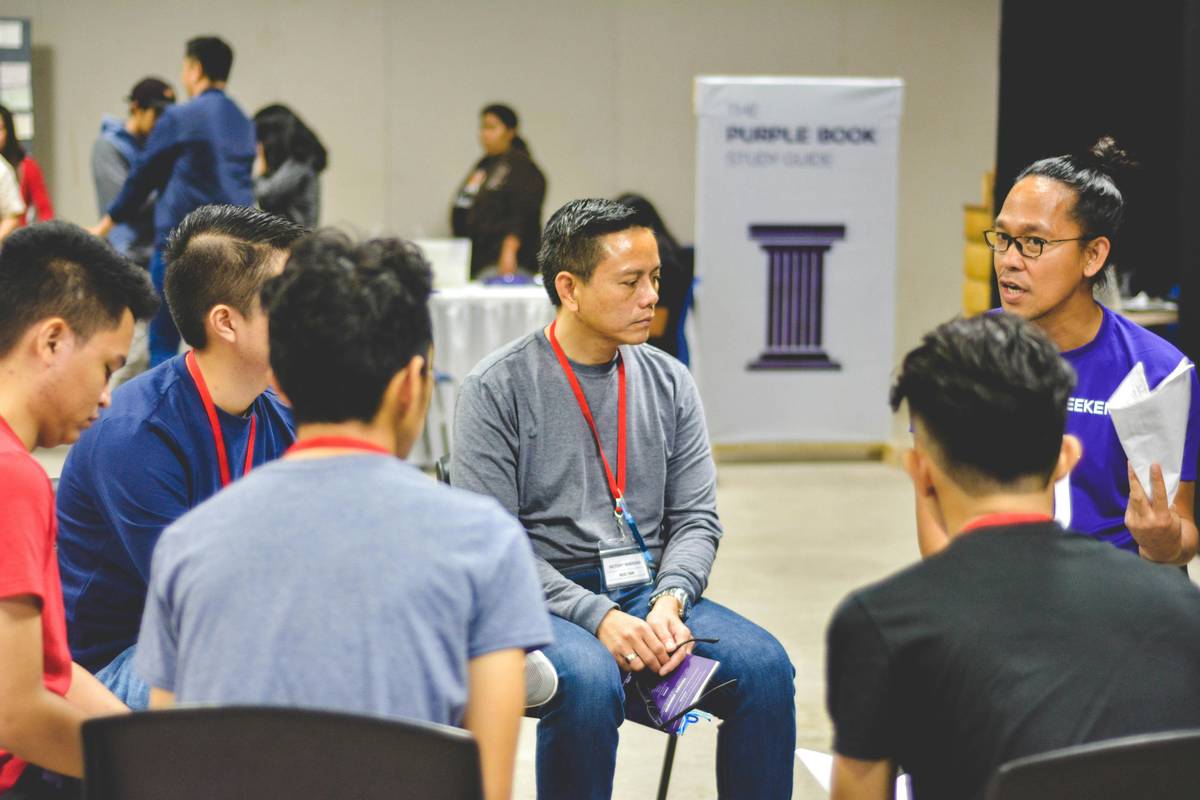
Hoarding coordination kills momentum. Hand off facilitation after the second meeting. Let others name the issue, set the agenda, choose the music. Distributed agency creates investment you can’t buy or assign.

| Approach | Time to First Action | Trust Built (Scale 1–10) | Risk of Burnout |
|---|---|---|---|
| Top-down Campaign Launch | 2–4 weeks | 3 | High |
| Relational Hub Mapping + Micro-Actions | 3–5 days | 8 | Low |
| Social Media Blitz Only | 1 day | 2 | Very High |
The Industry Secret: Conflict Is Fuel—Not Failure
Most organizers avoid tension like it’s toxic. Big mistake. Healthy conflict signals engagement. If no one’s pushing back, you’re not challenging the status quo—you’re just hosting polite gatherings.
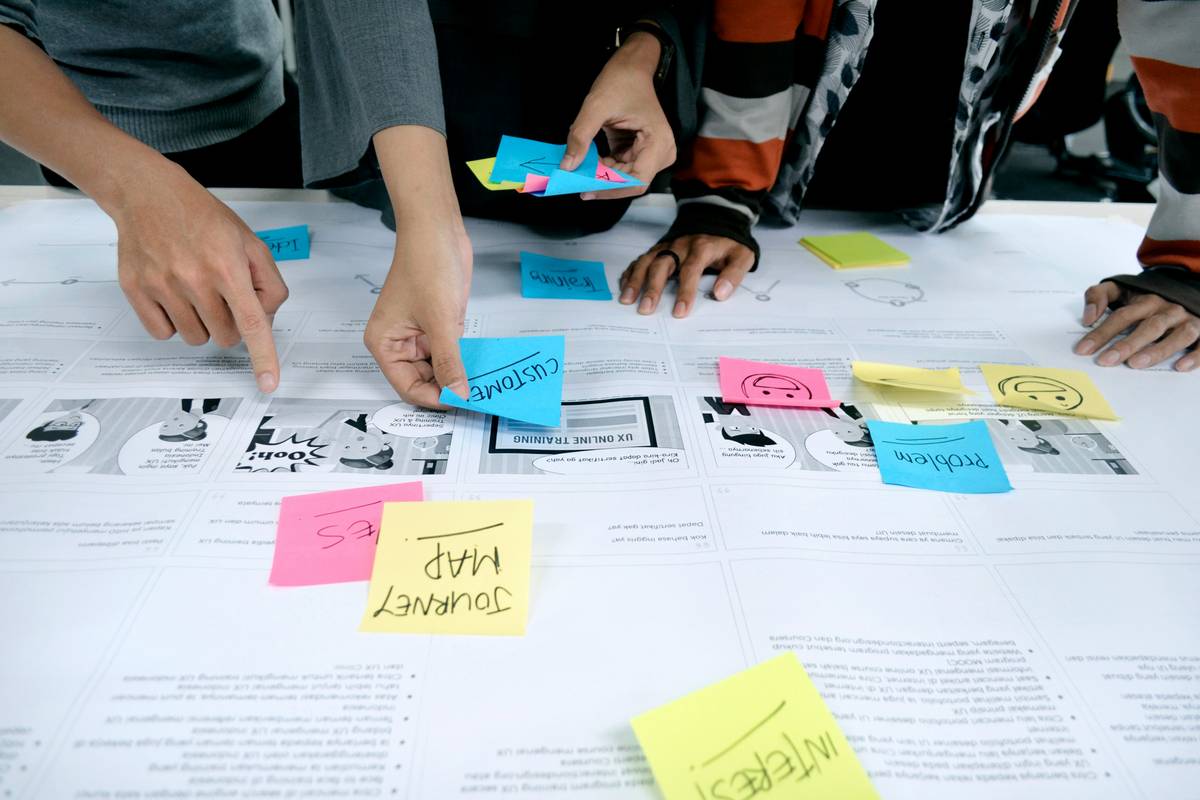
The math is simple: surface-level harmony = shallow impact. Real change emerges when people wrestle with ideas together. Design spaces where disagreement is structured, respected, and channeled into clearer demands. That’s how movements evolve—from echo chambers to ecosystems.
Frequently Asked Questions
What’s the biggest mistake new organizers make?
Assuming visibility equals engagement. Posting an event online ≠ building community. Real connection requires offline reciprocity and repeated face-to-face touchpoints.
How do you measure success in grassroots work?
Track relational depth, not just headcount. Ask: How many participants have recruited someone else? That’s organic growth rooted in trust—not algorithmic luck.
Can digital tools replace in-person organizing?
No. Tech amplifies—but never substitutes—for human bonds. Use apps for coordination, not connection. The heart of community organizing strategies beats in shared physical space.