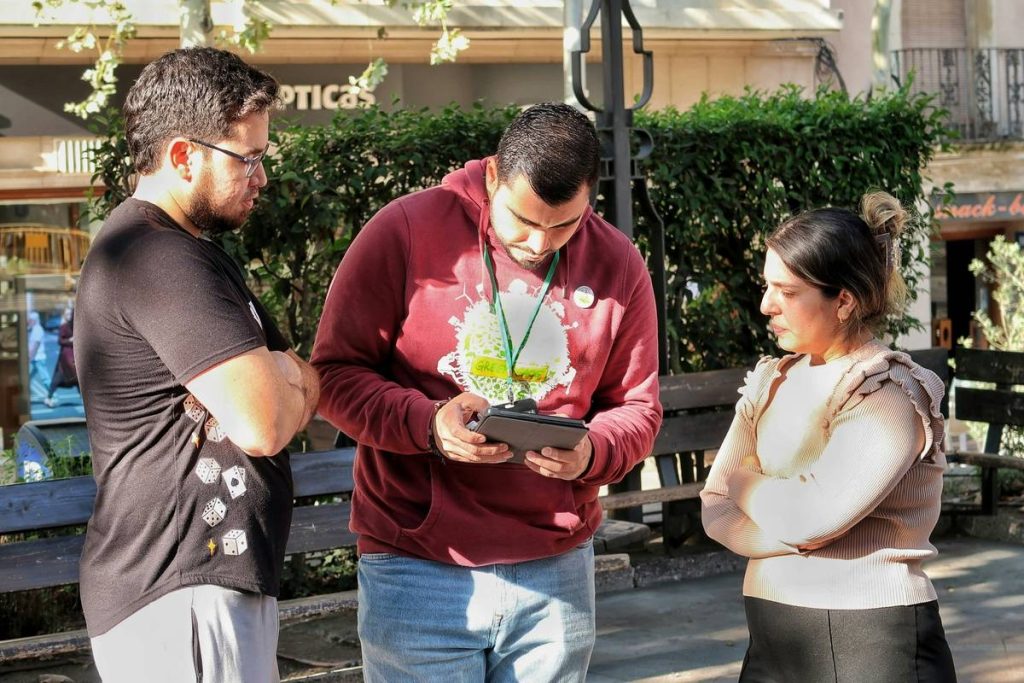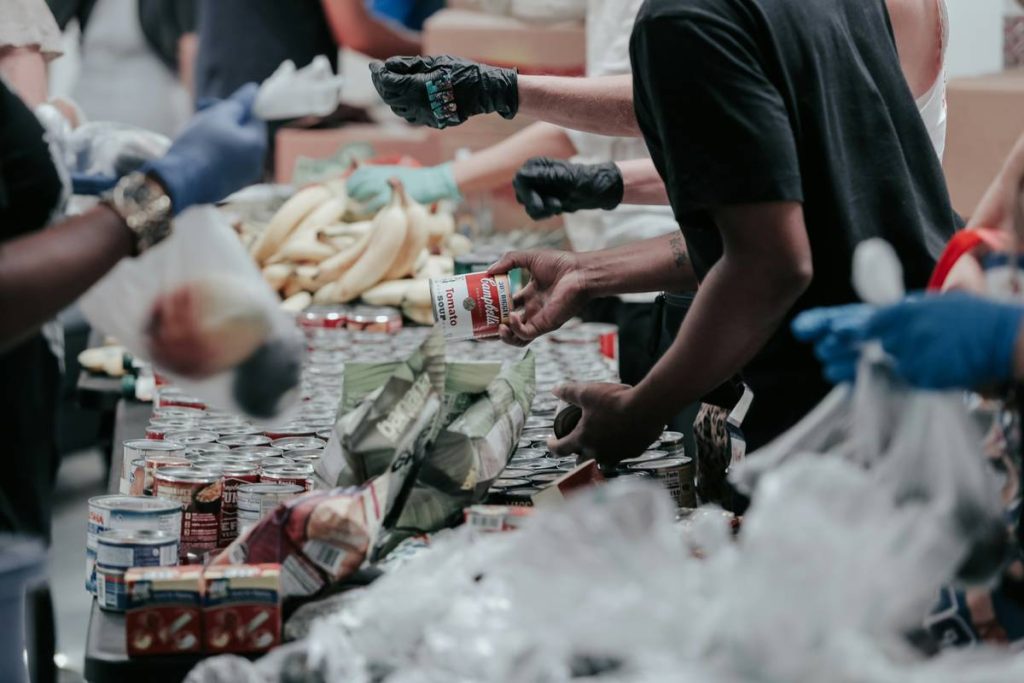
Most people think change comes from the top. Big budgets. Famous leaders. Press conferences. But real transformation? It bubbles up from kitchens, street corners, and group chats — not boardrooms. If you’re waiting for permission to mobilize your community, you’ve already lost. The solution isn’t more funding. It’s smarter, scrappier organizing grounded in trust, not tactics.
Why Traditional Activism Fails in the Digital Age
Legacy campaigns treat communities like audiences—not co-creators. They blast messages instead of listening. And they measure success by retweets, not relationships. Worse: they copy playbook strategies from 2008 as if TikTok didn’t exist.
Grassroots energy gets diluted when filtered through corporate-style comms. Authenticity dies. Urgency fades. And people disengage—fast.
How to Build a Movement That Actually Moves People
Forget viral hashtags. Lasting change starts with hyperlocal trust and scales through shared ownership. Here’s how:
Map Your Micro-Influencers (Not Just “Leaders”)
Your neighborhood barber, the lunch lady at the community center, the Discord mod for local gamers—they hold hidden influence. Identify 5–10 trusted voices in your target zone. Not followers. Connectors.
Design Actions With Built-In Storytelling
If your action doesn’t generate organic narrative, it won’t spread. A protest march is forgettable. But neighbors painting a mural over a vacant lot while sharing stories about housing insecurity? That’s content—and connection—in one.
Leverage Asymmetric Tools Over Expensive Tech
You don’t need a $10K CRM. Signal groups, free Canva templates, and offline sign-up sheets often outperform slick apps. Simplicity = sustainability.
| Tactic | Cost | Trust Impact | Scalability |
|---|---|---|---|
| Paid Facebook Ads | $$$ | Low | High (but shallow) |
| Door-to-Door Listening Sessions | $ (time only) | Very High | Medium (deep roots) |
| Community Zine Distribution | $$ | High | Medium-High |
| Influencer Partnerships | $$$–$$$$ | Mixed | Variable |

The Industry Secret No One Talks About
Most “grassroots” campaigns today are astroturfed—funded by NGOs or political machines pretending to be organic. Real grassroots work rejects central control. Here’s the twist: the most effective movements intentionally stay small for longer.
They delay scaling until trust networks are bulletproof. Rushing = fragility. Think of it like sourdough—you can’t speed up fermentation without killing the culture. One organizer I advised in Appalachia refused national funding for 18 months. Result? When a pipeline fight hit, their coalition held firm while flashier groups collapsed under donor pressure.
Slow growth isn’t failure. It’s strategy.
Frequently Asked Questions
What defines a true grassroots movement?
It starts and stays community-led—with decisions made by affected people, not external funders or PR firms. Control = local. Always.
Can digital organizing be truly grassroots?
Yes—but only if online actions feed offline relationships. If your “movement” lives entirely in DMs and comment sections, it’s a broadcast, not a base.
How do you measure grassroots success?
Not by likes. By how many new leaders emerge. How many neighbors show up unprompted. And whether momentum continues after the founder steps back.