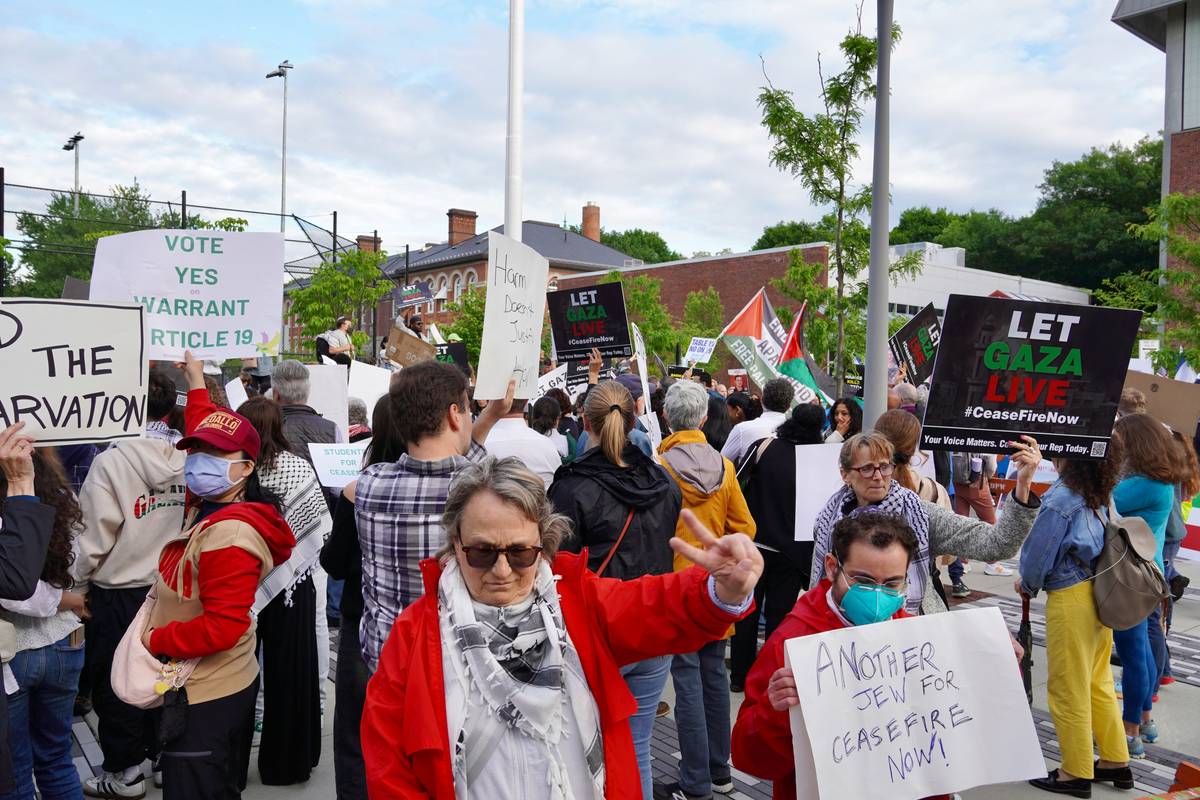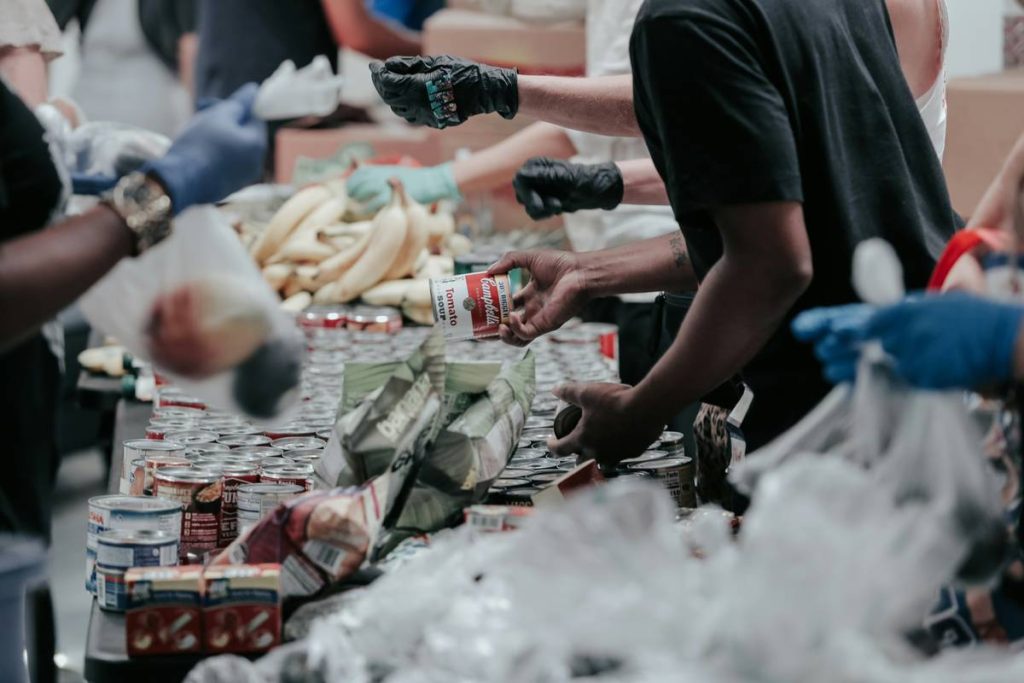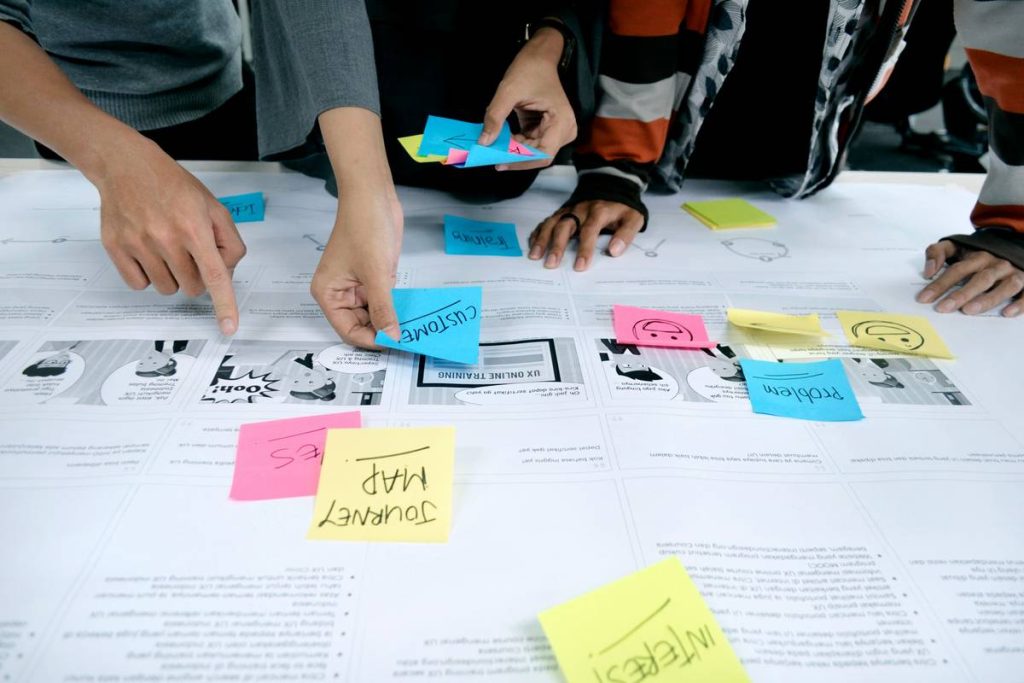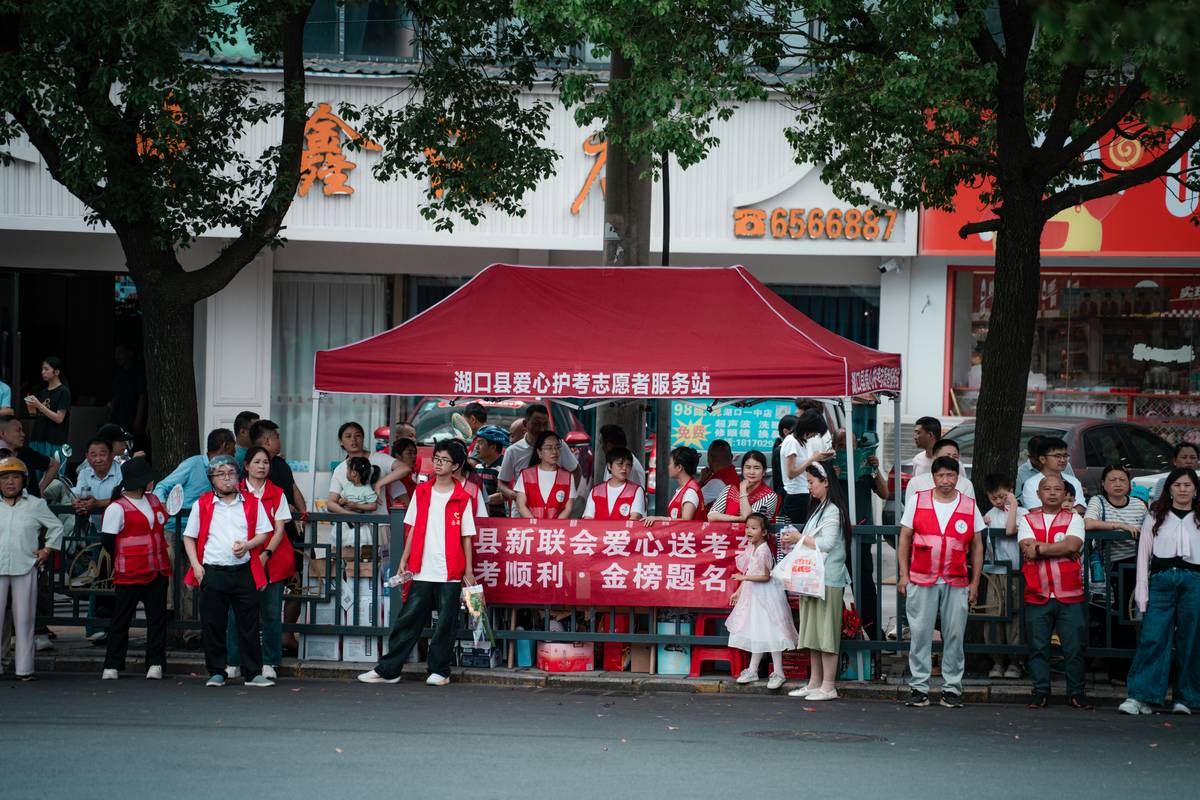
Most campaigns burn cash on ads while losing touch with real voters. They confuse visibility with connection. The result? Empty rallies and hollow turnout. But grassroots involvement in elections flips the script—turning neighbors into organizers, not just targets. And it works even when your budget doesn’t.
Why Traditional Campaign Tactics Keep Failing
Digital ads scream into the void. Robocalls get blocked before the first syllable. Yard signs rot in rain. These aren’t engagement—they’re echoes in a vacuum.
The core flaw? Top-down messaging assumes voters are passive receivers. They’re not. People crave agency—the chance to shape outcomes, not just witness them. When campaigns treat communities like audiences instead of co-creators, they miss the only resource that scales infinitely: human trust.
And trust isn’t bought. It’s built—block by block, conversation by conversation.
How to Build Real Grassroots Involvement in Elections
Forget “mobilizing.” Start *activating*. True grassroots power emerges when ordinary people own pieces of the mission. Here’s how:
Map Micro-Influencers, Not Just Data Points
Every neighborhood has its connectors—the barbers, PTA leads, church volunteers. Identify them early. Give them autonomy, not scripts. Their credibility is worth more than 10,000 targeted impressions.
Design “Doable” Actions for All Commitment Levels
Not everyone can knock doors. Some will text five friends. Others host living-room meetups. Create a ladder of engagement—from “share this meme” to “co-host a phone bank”—so no contribution feels too small.
Close the Feedback Loop Immediately
When a volunteer reports a voter concern about potholes, the campaign must respond—not next week, but within 48 hours. Show impact fast. That’s how you turn one action into lifelong advocacy.
| Tactic | Startup Cost | Trust Yield | Scalability |
|---|---|---|---|
| Door-to-door canvassing (trained locals) | $50–$200 (print + transit) | Very High | Medium (requires coordination) |
| Social media ad blitz | $2,000+ | Low | High (but shallow) |
| Community listening sessions | $0–$100 (snacks/venue) | Extremely High | Low-Medium (deep but localized) |
| Peer-to-peer texting (volunteer-run) | $0 (using free tools) | Medium-High | High (with training) |
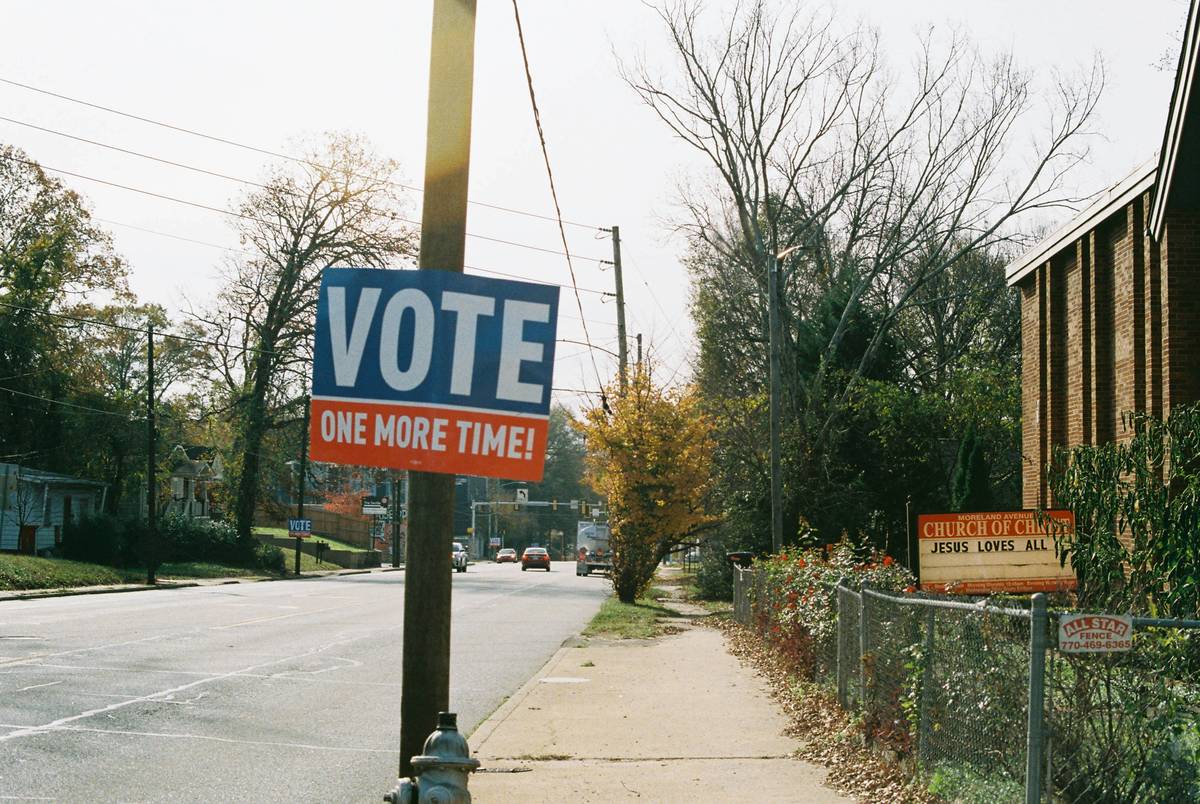
The Industry Secret No Consultant Will Tell You
Here’s the reality: campaigns don’t lose due to lack of funding. They lose because they optimize for efficiency over relationship depth. A field director once told me his team hit 90% door-knock completion—but conversion lagged. Why? Because volunteers read from scripts, not lives.
The secret? Replace transactional metrics with relational ones. Track “conversations that led to co-creation” instead of “doors knocked.” Measure how many volunteers recruited others—not just how many showed up. When your KPIs reflect human behavior, not spreadsheet logic, grassroots involvement in elections becomes self-sustaining.
Think about it. Money runs out. Passion compounds.
Frequently Asked Questions
What’s the minimum team size to start grassroots involvement in elections?
One committed person. Seriously. Start hyper-local—a single block or apartment complex. Authentic outreach beats scale every time.
Can digital tools replace face-to-face organizing?
No—but they amplify it. Use apps to coordinate, not substitute. A text follow-up after an in-person talk? Powerful. A bot pretending to care? Forget it.
How do you measure grassroots success beyond votes?
Track volunteer retention, peer recruitment rates, and policy feedback loops. If people keep coming back and bringing friends, you’ve built something real.