Online education promises democratized learning—yet most platforms cater to passive consumers, not active changemakers. The disconnect? Top-down curriculum design ignores the organic energy bubbling up from communities themselves. But what if the real engine of educational transformation isn’t algorithms or VC funding—but the role of grassroots movements?
Why Traditional Digital Education Fails Activists
Massive Open Online Courses (MOOCs) treat learners like data points. Completion rates hover below 15%. Why? Because they’re built for scale—not solidarity. And scale without shared purpose evaporates engagement faster than a viral tweet.
Grassroots organizers don’t just want knowledge—they need actionable frameworks that adapt to neighborhood realities, cultural nuances, and urgent local crises. Standard LMS platforms can’t pivot that fast. They’re rigid by design.
The Step-by-Step Guide to Embedding Grassroots Power in Online Learning
Map Local Knowledge Hubs First
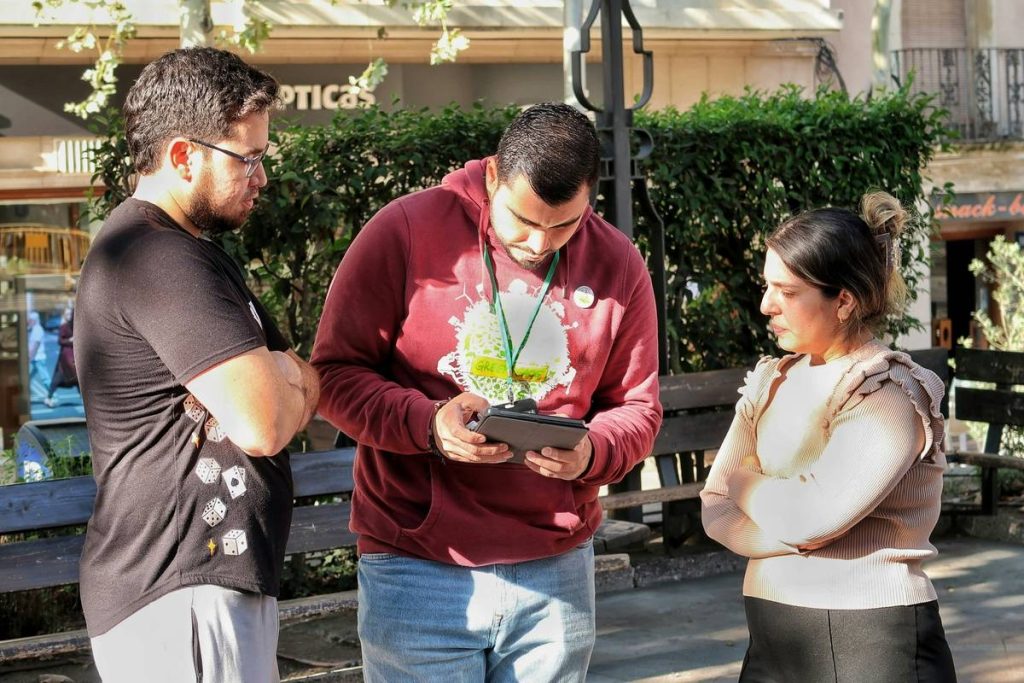
Before uploading a single video, identify who already teaches informally in the community—barbershop philosophers, church elders, street medics. These are your co-creators, not your “target audience.”
Design Modular, Remixable Content
Break lessons into 5-minute micro-modules tagged by theme, language, and urgency level. Let local leaders reassemble them like LEGO bricks for their context. A climate justice module in Mumbai shouldn’t look like one in Minneapolis.
Flip the Feedback Loop
Ditch end-of-course surveys. Use real-time signal tracking: Which modules get shared? Which spark offline meetups? That’s your curriculum compass—not vanity metrics.
| Approach | Cost (Annual) | Community Ownership Level | Adaptability Speed |
|---|---|---|---|
| Standard MOOC Platform | $8,000–$25,000 | Low (Centralized control) | Slow (Weeks to update) |
| Grassroots-Powered Hub | $1,200–$4,500 | High (Distributed co-design) | Real-time (Hours to iterate) |

The Industry Secret No EdTech VC Wants You to Know
Here’s the reality: grassroots movements don’t need more content—they need infrastructure to circulate their own. Most funders obsess over producing slick videos. Waste of resources. The real leverage point is lightweight publishing tools that let local leaders upload audio notes, text threads, or hand-drawn PDFs directly from WhatsApp or Signal.
Think about it—a fisherfolk union in Kerala documenting tidal patterns via voice notes carries more pedagogical weight than a Harvard professor’s pre-recorded lecture on oceanography. The math is simple: trust > production value. And once you enable that self-documentation flywheel, retention skyrockets because learners see themselves as authors—not just attendees.

Frequently Asked Questions
How do grassroots movements improve online course completion?
They foster peer accountability through local study circles, turning isolated learners into mutual support networks.
Can small organizations run grassroots-powered education?
Absolutely. Start with free tools like Telegram channels or GitHub Pages—focus on permissionless contribution, not fancy tech.
What’s the biggest mistake activists make in online education?
Assuming they must “professionalize” their message. Raw, context-specific storytelling outperforms polished generic content every time.